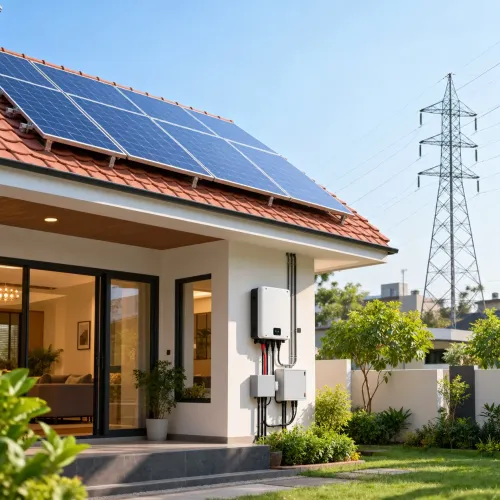
The central subsidy reduces the upfront price of an eligible residential rooftop system by a fixed amount linked to installed capacity, not by a percentage of the invoice. By the end, you will know whether your connection qualifies, how much support a 1 kW, 2 kW or 3 kW system can receive, what the application requires and which costs remain yours to pay.
Key takeaways
- A 1 kW system can receive up to ₹30,000 in general-category states.
- Central assistance reaches ₹60,000 for 2 kW and ₹78,000 for 3 kW.
- Use a grid-connected residential system and complete the portal application correctly.
- Compare warranties, equipment, installation scope, and final prices after subsidy.
How much PM Surya Ghar subsidy can your system receive?
A 1 kW system in a general-category state can receive a PM Surya Ghar subsidy amount of up to ₹30,000. The central financial assistance is calculated by capacity, not as a percentage of your invoice.
| System size | Maximum central subsidy in a general-category state |
|---|---|
| 1 kW | ₹30,000 |
| 2 kW | ₹60,000 |
| 3 kW or more | ₹78,000 |
The first 2 kW attracts ₹30,000 per kW. The ₹18,000 for additional 1 kW applies to the third kilowatt, producing the maximum subsidy ₹78,000. A 4 kW or larger installation does not receive unlimited support: the fourth kilowatt and every kilowatt after it attract no additional individual central subsidy.
In special-category states and Union Territories, the rates are ₹33,000 per kW for the first 2 kW and ₹19,800 per kW for the next 1 kW, giving a maximum of ₹85,800. You still pay the balance of the installed-system price, including:
- Solar modules and inverter
- Mounting structure, labour and taxes
- Protection equipment, cabling and site-specific work such as roof reinforcement, elevated structures or long cable runs
A higher-specification system or difficult installation does not increase the central amount.
Who qualifies, and which incentive are you actually claiming?
An individual residential electricity connection is the starting requirement for PM Surya Ghar eligibility. You must install an eligible grid-connected rooftop system; commercial, industrial and other non-residential connections cannot claim this residential central financial assistance (CFA), even if they use similar equipment.
Apply through the PM Surya Ghar national portal and complete the applicable DISCOM process. The claim follows installation, inspection, commissioning and required bidirectional-meter or net-metering steps, so the subsidy is not an automatic point-of-sale discount.
- Register using your residential connection details and select an eligible vendor.
- Submit the proposed system and obtain DISCOM approval before installation.
- Complete installation, inspection, commissioning and metering requirements.
- Upload bank details for CFA disbursement after verification.
| Incentive or treatment | What it covers | Is it included in the ₹78,000 ceiling? |
|---|---|---|
| Central PM Surya Ghar CFA | ₹30,000 per kW for the first 2 kW and ₹18,000 for the next 1 kW | Yes; maximum ₹78,000 |
| Maharashtra solar subsidy | A separate state government incentive, if offered under its own rules | No; verify with the state authority |
| Utility rebate or bill credit | A DISCOM benefit or electricity-bill adjustment | No; confirm separately |
| Net-metering treatment | Credit or settlement for eligible exported electricity | No; it is not a subsidy |
The Electricity (Rights of Consumers) Rules process removes a separate technical-feasibility study for rooftop systems up to 10 kW in specified circumstances, with deemed acceptance. This procedural change can shorten approval, but it does not raise the individual central subsidy cap above 3 kW.
How should you choose between 1 kW, 2 kW and 3 kW?
Choose the capacity that matches your electricity use, not the largest subsidy: review the last 6–12 bills, sanctioned load, usable roof area, shade from trees or nearby buildings, and how much consumption occurs during daylight.
| Size | Subsidy and fit | Check before choosing |
|---|---|---|
| 1 kW | 1 kW solar system subsidy: up to ₹30,000 | Modest monthly units, limited daytime demand, or a small unshaded roof |
| 2 kW | 2 kW solar system subsidy: up to ₹60,000 | Higher household use with enough roof area and daytime appliances |
| 3 kW | 3 kW solar system subsidy: up to ₹78,000 | Stronger daytime consumption, larger roof, or planned future loads |
A solar system size calculator can estimate output, but compare that estimate with your bill’s units and sanctioned load. Shade can reduce production, while a home using modest units may not recover the cost of a larger array simply because the third kilowatt adds ₹18,000.
A 3 kW system receives the full general-category CFA of ₹78,000. Installing more than 3 kW brings no additional individual central CFA, so you pay the unreduced extra cost and must remain within the DISCOM’s connection and export rules.
Extra capacity can make sense for an electric vehicle, high daytime use, or a planned future load.
Battery storage does not raise the subsidy ceiling. The battery, hybrid-inverter premium and backup-related electrical work remain separate costs; confirm acceptance of the proposed configuration before paying for them.
What happens after you apply, and which documents prevent delays?
Register on the PM Surya Ghar national portal using your residential electricity connection details. The PM Surya Ghar application process then moves through these stages:
| Stage | Your action | Check before moving on |
|---|---|---|
| Registration | Enter the consumer number and latest bill details | Applicant name matches the electricity record |
| Proposal | Select a registered vendor and submit the system design | Capacity and equipment match the quotation |
| Approval | Wait for DISCOM approval rooftop solar | Do not install a different system first |
| Installation | Install the approved system | Keep invoices, serial numbers and photographs |
| Commissioning | Complete inspection and commissioning | Resolve any DISCOM observations |
| Metering | Finish bidirectional-meter or net-metering requirements | Submit the required net metering documents |
| Payment claim | Upload subsidy disbursement bank details | Confirm the account accepts electronic transfers |
Keep the latest electricity bill, consumer number, identity information, bank account details and, when requested, proof of ownership or occupancy ready. The applicant’s name should match the electricity connection and bank records; mismatches can stop verification or send the claim back for correction.
The subsidy is released after installation, inspection and verification. It is not automatically deducted from the sale price, so budget for the interim payment or arrange eligible financing. Ensure the vendor’s installed capacity and system details match the approved proposal; an unapproved substitution can delay commissioning and subsidy release.
How should you compare quotations after the subsidy?
Start with this calculation: installed system price minus applicable central subsidy, plus excluded customer-paid work, minus only separately confirmed rebates or credits. The rooftop solar installation cost after subsidy is not the quoted price minus ₹78,000 on every line; the subsidy is capacity-based and paid after verification.
Quote comparison works best when each vendor prices the same scope:
| Quotation item | Lower headline quote | Complete comparison |
|---|---|---|
| System eligibility | Imported modules may be cheaper but fail CFA | MNRE eligible modules with domestically manufactured cells and modules |
| Included work | Metering, testing or commissioning excluded | DISCOM process, inspection, bidirectional meter and commissioning identified |
| Site conditions | Standard roof assumed | Roof reinforcement, elevated structure, long cables and civil work priced or marked extra |
Request a written solar quotation that names the module and inverter specifications, mounting structure, protection equipment, cabling, meter or net-metering charges, testing, commissioning, taxes and every excluded item. Confirm the approved capacity, warranty terms, commissioning responsibility and the cash needed before subsidy disbursement; battery equipment and backup-related work do not raise the individual CFA ceiling.
Madhuri Solar is worth comparing when its residential grid-connected proposal clearly separates included installation work from customer-paid site work.
A cheaper imported-module quote can fail the domestic content requirement solar projects must meet, leaving you to fund the difference without CFA. RWA and Group Housing Society projects use a separate common-area CFA framework, including eligible EV charging, capped at 500 kW overall and 3 kW per dwelling unit.
Related product
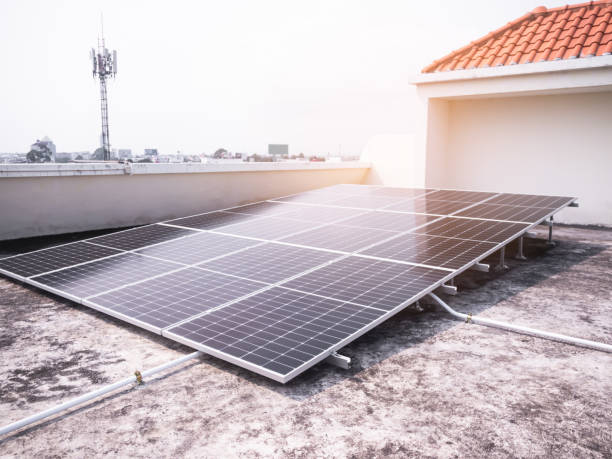 | Solar Rooftop Ongrid System A Solar Rooftop Ongrid System is an efficient, eco-friendly solution that converts sunlight into electricity. View product → |
Frequently asked questions
How much PM Surya Ghar subsidy can a residential system receive?
In general-category states, central financial assistance is up to ₹30,000 for 1 kW, ₹60,000 for 2 kW, and ₹78,000 for 3 kW or more. The calculation is based on approved capacity, not a percentage of the invoice.
Who qualifies for the PM Surya Ghar subsidy?
The incentive is for eligible residential consumers installing grid-connected rooftop solar through the PM Surya Ghar application process. Check your electricity connection, consumer details, and portal eligibility before placing an order.
Should I choose a 1 kW, 2 kW, or 3 kW solar system?
Match system size to your recent electricity consumption, available shadow-free roof area, sanctioned load, and budget. Do not choose a larger system only to claim a higher subsidy.
Which documents help prevent application delays?
Keep your electricity consumer account details, identity and address information, bank account details, roof or ownership information where requested, and the installer’s system and commissioning records ready.
How should I compare rooftop solar quotations after subsidy?
Compare the final payable amount, panel and inverter models, capacity, mounting structure, protection equipment, installation scope, warranties, metering work, maintenance terms, and subsidy-related responsibilities.