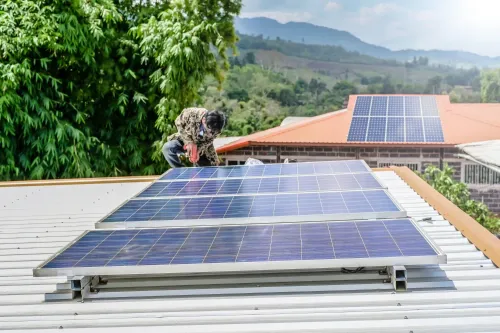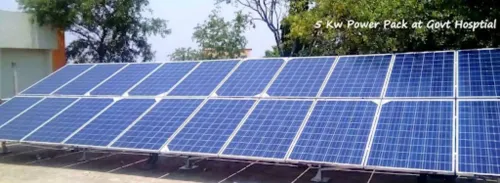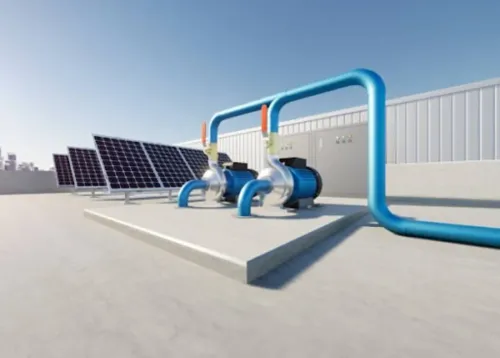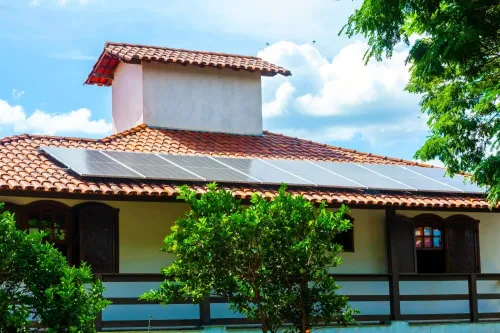
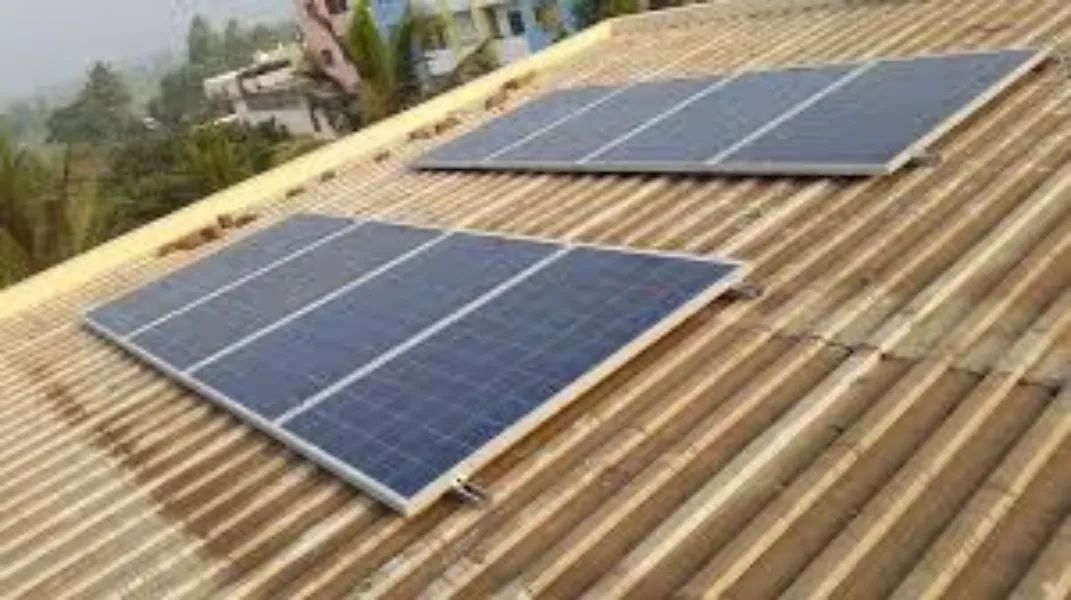
Roofs that spend most of the day exposed to sunlight can potentially serve another purpose: generating electricity. Rooftop Solar systems use photovoltaic modules installed on suitable residential, commercial, institutional, or industrial roofs to convert sunlight into usable electrical energy.
The concept is straightforward, but system performance depends on thoughtful design.
How Solar Panels Generate Electricity
Solar photovoltaic modules contain cells that produce direct-current electricity when exposed to sunlight.
This electricity is then passed through an inverter, which converts it into alternating current suitable for typical electrical applications.
Depending on the system configuration, solar electricity may be:
- Used directly within the property
- Exported according to the applicable grid arrangement
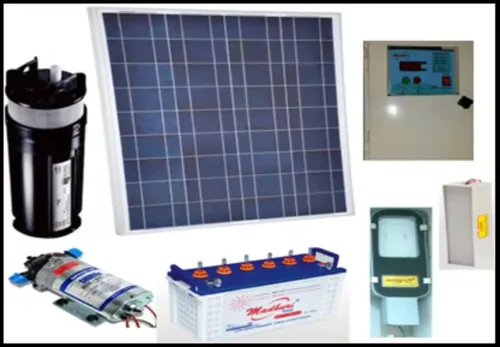
- Stored in batteries
- Combined with other energy sources
This flexibility allows solar technology to support different types of properties.
Which Roofs Can Be Considered?
Solar systems can be installed on many types of buildings, but suitability should be assessed rather than assumed.
Important factors include usable area, structural condition, sunlight exposure, shading, roof access, and the location of existing services.
For example, a large terrace may still have limited usable space because of water tanks, staircases, ventilation equipment, or heavy shading.
Industrial roofs require their own assessment because structural characteristics and operational requirements can differ considerably from residential buildings.
Why Daytime Consumption Matters
Solar generation occurs primarily during daylight hours. Properties that consume substantial electricity during the day may therefore be particularly well positioned to use solar power directly.
Examples can include:
- Offices
- Schools and colleges
- Hospitals
- Retail establishments
- Workshops
- Factories
- Warehouses
- Residential properties with daytime loads
Actual suitability depends on electricity consumption and the selected system configuration.
What Happens During Cloudy Weather?
Solar panels can continue generating electricity under diffused sunlight, although output generally falls when solar radiation is lower.
Generation also changes throughout the year.
Instead of expecting identical output every day, users should evaluate projected generation across longer periods while accounting for seasonal conditions, equipment performance, and system losses.
Does Rooftop Solar Require Maintenance?
Solar systems generally have relatively limited routine maintenance requirements, but they should not be treated as maintenance-free.
Dust and debris can accumulate on modules and reduce the amount of sunlight reaching the cells. Periodic cleaning may therefore be required depending on local conditions.
Users should also periodically inspect:
- Module condition
- Mounting structures
- Cable routing
- Inverter performance
- Earthing
- Monitoring data
- Protection equipment
Any electrical servicing should be handled by appropriately trained personnel.
Grid-Connected, Off-Grid, Hybrid Configurations
The term Rooftop Solar does not describe only one system type.
A grid-connected installation operates alongside the electricity grid. An off-grid installation uses storage to support independent operation. A hybrid configuration combines solar generation, storage, and other available power sources.
The right choice depends on grid availability, backup requirements, budget, electricity consumption, and the purpose of the installation.
Think Beyond the Number of Panels
People sometimes begin solar planning by asking how many panels will fit on the roof.
A more useful starting point is understanding the property's energy requirement and determining how the roof can support it.
Madhuri Solar works with solar solutions for different property and energy requirements. A carefully planned Rooftop Solar project should bring together electricity consumption, available space, equipment selection, electrical safety, maintenance access, and realistic generation expectations.
That approach turns an unused roof into a functional energy-generating asset rather than simply a place to mount solar panels.
Keywords