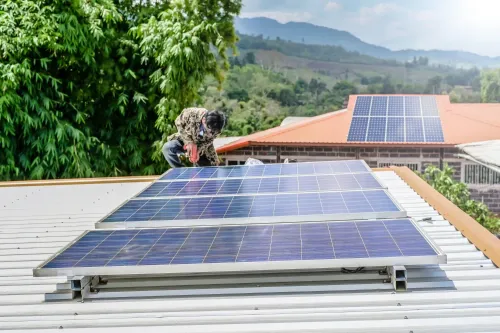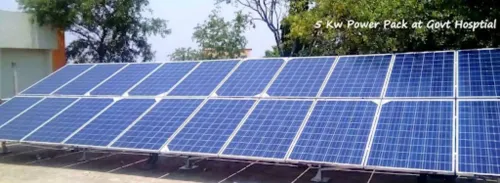
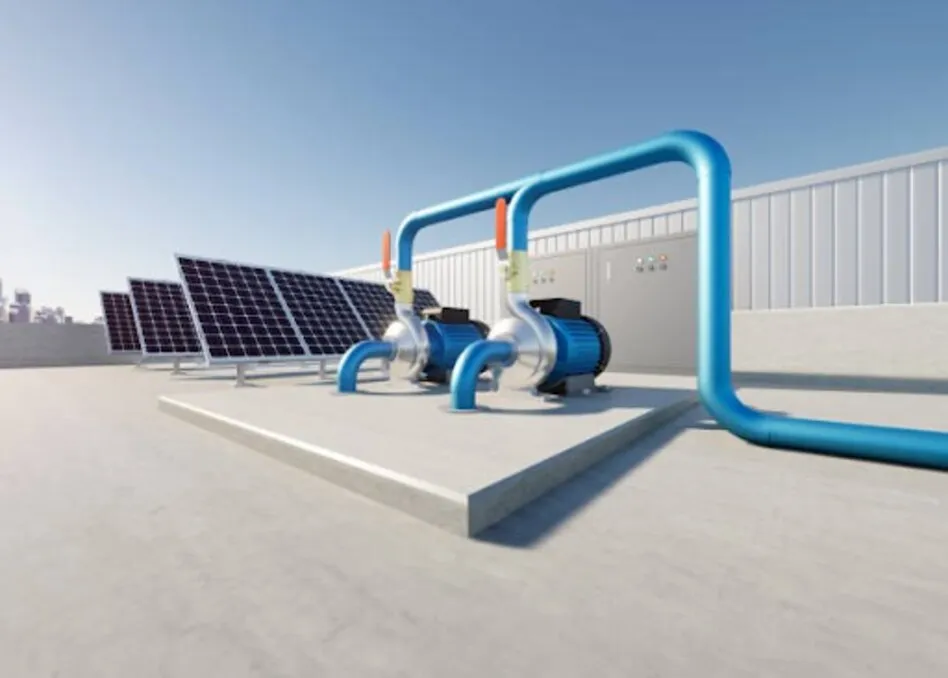
A farm pump is sized by the water it must deliver and the lift it must overcome, not by motor horsepower alone. By the end, you will be able to map the path from sunlight to irrigation outlet, check a pump’s specifications, and compare solar with grid, diesel, and hybrid options using your own site data.
Key takeaways
- Choose the pump from source depth, lift, pipe length, and required flow.
- Calculate daily water demand before sizing the pump and solar array.
- Use a controller matched to the motor, PV voltage, and variable sunlight.
- Keep grid, generator, or storage backup if crops cannot tolerate missed irrigation.
From sunlight to irrigation outlet: the working parts of a farm solar pump
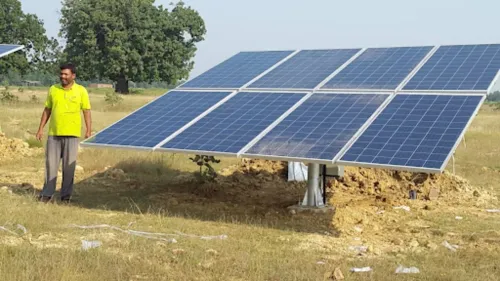
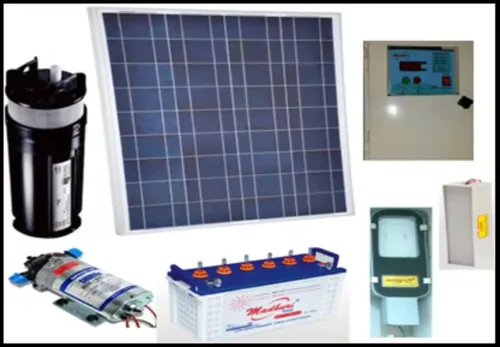
A farm solar pump converts sunlight into irrigation flow through four linked stages:
- Photovoltaic modules produce DC electricity, with output changing as sunlight and temperature change.
- A pump controller/inverter regulates that electricity. It supplies a DC pump directly or converts it for an AC pump.
- The pump raises water through the required lift and pipe network. A surface pump draws from a nearby source; a submersible pump pushes water from below the water level.
- Delivery pipes carry water to the field outlet, drip system, sprinkler line, or storage tank.
Pump directly into the field when irrigation happens during sunny hours, the source can provide the required flow, and the distribution system accepts variable output. A controller can slow the pump as clouds pass, but pressure-sensitive sprinklers may perform poorly when flow falls.
Store water in a tank when crops need irrigation early, late, or overnight, or when cloud and monsoon conditions make solar output unreliable. Pumping water into an elevated tank also uses gravity for later distribution and avoids battery round-trip losses, replacements, and extra controls.
Do not treat unlimited free pumping as a water plan. Check seasonal groundwater levels, recharge, neighbouring wells, and local abstraction limits before expanding irrigated area. A technically successful solar pump can still exhaust the source.
Choose the pump for the water source, not the brochure headline
A pump rated for 40 metres of head does not deliver its advertised flow at 40 metres. Choose the model from its pump curve at your required duty point, including elevation, pipe friction, filter losses, and pressure at the irrigation equipment.
| Water source | Suitable pump | Specifications and checks |
|---|---|---|
| Open well | Surface pump or submersible pump | Place a surface pump close to the well with a short, airtight suction line and foot valve. Use a submersible unit when suction lift, priming, or fluctuating water level makes surface pumping unreliable. |
| Borewell | Submersible borewell pump | Match the pump to the dynamic pumping water level, not the static depth. Check drawdown, casing diameter, delivery pipe size, and sand content; abrasive water damages impellers, seals, bushings, and check valves. |
| Pond | Surface pump | Use a screened or floating intake above the sediment layer. Include a strainer that you can clean without starving the pump. |
| Canal | Surface pump | Allow for changing water level and install a protected intake, foot valve, and debris screen. Confirm the pump can handle suspended solids. |
| Storage tank | Surface pump or booster pump | Select the pump for the required outlet pressure and flow, not tank volume. A gravity-fed tank may need only a small booster. |
For drip or sprinkler irrigation, add the manufacturer’s required pressure after elevation and distribution losses. Confirm that the controller accepts the PV string’s minimum operating voltage, cold-weather maximum open-circuit voltage, input current, and power at the design head.
Size flow and head from the farm’s actual water requirement
Required pump capacity starts with the daily water volume and the hours available for pumping. Divide the volume by that pumping window: 18,000 litres over six hours requires a flow rate of 3,000 litres per hour, or 50 litres per minute. Use the actual irrigation schedule, not the motor’s advertised maximum.
Calculate total dynamic head as the vertical lift from the borewell’s pumping water level to the delivery point, plus irrigation pressure head and all friction losses. The pumping level equals the static water level plus drawdown; using only the static level understates TDH as the borewell level falls.
- Measure the dynamic water level while the pump is running at the planned duty. Add the elevation from that level to the tank inlet, drip manifold, or highest sprinkler.
- Convert required outlet pressure into head: pressure head in metres equals pressure in kilopascals divided by 9.81. Add the pressure specified for the dripline or sprinkler.
- Obtain pipe and fitting losses at your target flow rate. Include pipe length, diameter, bends, valves, filters, pressure regulators, and flushing lines.
- Select a pump whose system-curve duty point delivers the required litres per minute at that TDH, preferably near its best-efficiency-point range.
Hydraulic power is approximately ρgQH; electrical demand is higher after pump, motor, controller, and wiring losses. If a tank supplies irrigation later, size the pump to refill it during available sunlight rather than sizing for battery storage.
Match the PV array and controller to sunlight, season, and motor demand
Size solar panel capacity from the crop’s peak irrigation month, not annual average sunlight. Use the site’s lower solar resource during that month, required daily water volume, total dynamic head, and the combined efficiency of the pump, motor, controller, and wiring.
A wattage total that works on paper can still deliver too little water during monsoon weeks.
The array must provide the controller’s required power at the design head while staying inside its electrical limits. Confirm these values before selecting module quantity:
- Minimum PV voltage needed for the controller to start and maintain operation
- Maximum open-circuit voltage at the coldest expected module temperature
- Maximum input current
- MPPT voltage range
- Motor voltage, phase, and power compatibility
A variable-speed pump controller with MPPT adjusts motor speed as sunlight changes, so the pump produces less water under thin cloud instead of repeatedly stalling. It also reduces the starting current associated with a fixed-speed motor, but it cannot overcome an array whose voltage falls below the controller’s operating range.
Do not size only for a clear noon. Check early-morning and late-afternoon operation, cloudy-day power, and monsoon output. Oversizing the array can improve weak-light performance when the controller permits the extra current and voltage; exceeding those limits can damage it.
A tank is usually the simpler buffer: pump whenever power is available, then irrigate from stored water. Batteries add conversion losses, temperature limits, replacement cost, and control complexity.
Decide whether solar fits your farm’s water, cost, and backup plan
Choose the pump by comparing delivered water, downtime, labour, and groundwater impact—not the lowest energy bill. A grid pump comparison should use the same daily volume, total dynamic head, tariff, and operating hours for every option.
| Option | Reliability and operating effort | When it makes sense |
|---|---|---|
| Solar | Low routine labour; output falls in clouds, so use a tank or backup source | Strong sunlight, daytime irrigation, and affordable water storage |
| Grid-connected | Consistent while supply and voltage remain stable; electricity charges continue | Reliable grid, existing connection, and night pumping needs |
| Diesel pump | Works independently of weather; requires fuel, servicing, noise control, and operator attention | Remote fields or emergency backup |
| Grid-plus-solar | Solar handles daytime pumping; grid covers low sunlight and peak demand | Farms needing dependable supply without a large battery bank |
Treat hybrid solar pumping as an operating plan, not simply two power sources. Specify which source starts first, the changeover point, and whether the tank holds enough water for a cloudy day.
Check water sustainability before approving extra pumping. Compare seasonal water levels, borewell drawdown, recharge, neighbouring wells, and any abstraction limit; cheaper pumping can encourage over-irrigation or expansion.
Require a performance test against IEC 62253 and hydraulic acceptance data under ISO 9906. Ask for controller protection details, service response times, spare-parts availability, sediment tolerance, and measured dynamic water level. Madhuri Solar should document these items rather than rely on a motor nameplate.
Related products
 | Solar Pumping System A Solar Pumping System is an eco-friendly solution that harnesses solar energy to power water pumps for irrigation, livestock, and domestic use. View product → |
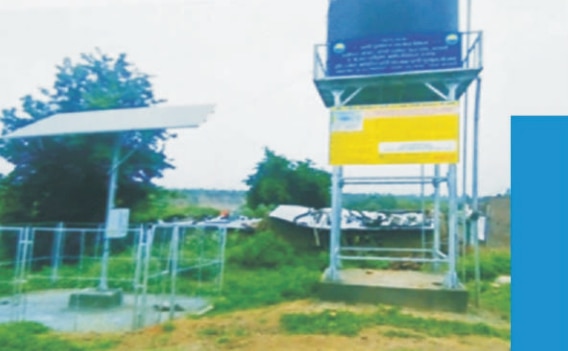 | Solar Dual Water Pumping System The Solar Dual Water Pumping System efficiently harnesses solar energy to power two independent water pumps, providing a sustainable solution for... View product → |
Frequently asked questions
How does a solar water pump move water from a source to a farm?
PV panels produce DC electricity, a controller regulates power, and the motor drives a surface or submersible pump. The pump pushes water through delivery pipes to the irrigation outlet.
Which solar pump should you use for a borewell or open water source?
Use a submersible pump for a borewell or deep source. Use a surface pump when the water level and suction conditions allow the pump to remain above the source.
How do you size a solar pump for farm irrigation?
Start with the farm’s daily water requirement, then calculate the required flow rate and total dynamic head, including elevation, pipe friction, valves, and outlet pressure.
What should you match between the PV array and pump controller?
Match the array’s voltage and power range to the controller’s input limits, then confirm that the controller supports the motor’s rated current, starting demand, and variable solar output.
When does a solar water pump make sense for a farm?
Solar fits when the water source is dependable, daytime pumping suits the irrigation schedule, and the avoided electricity or fuel cost supports the installation. Plan backup for critical crops or unreliable sunlight.