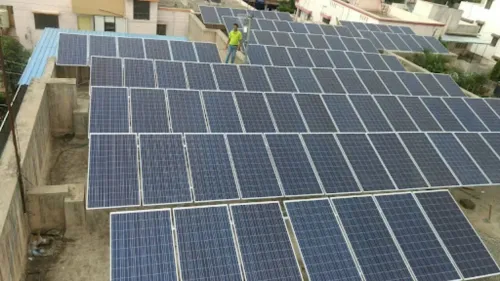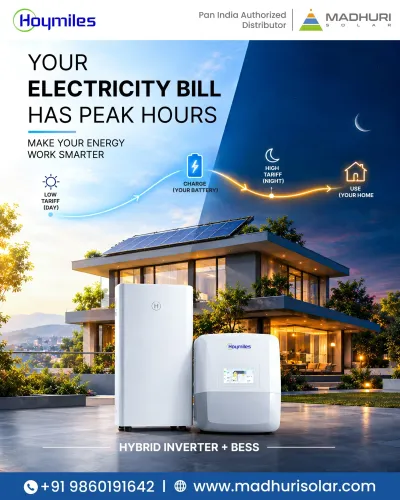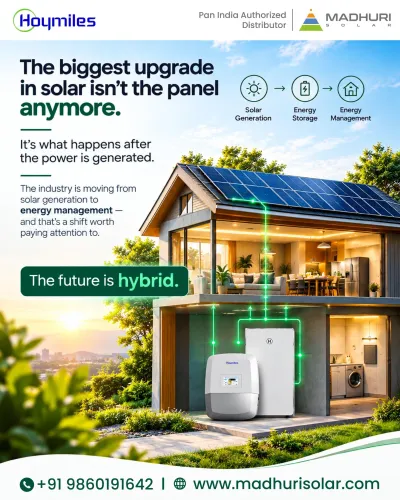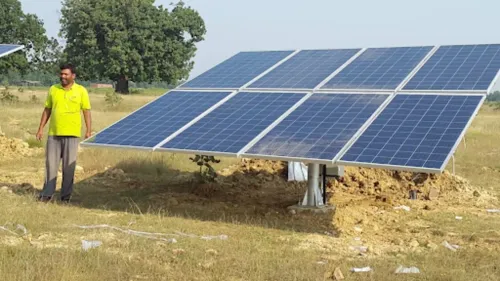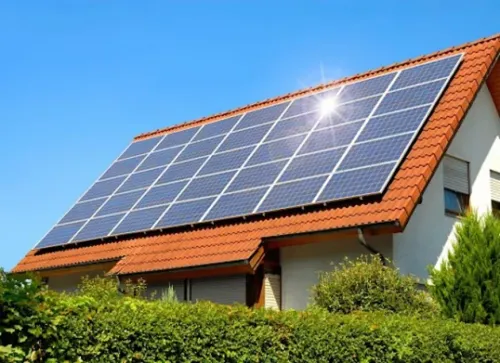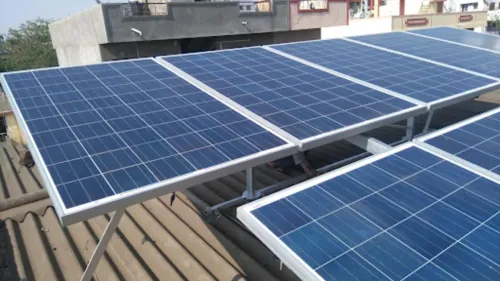
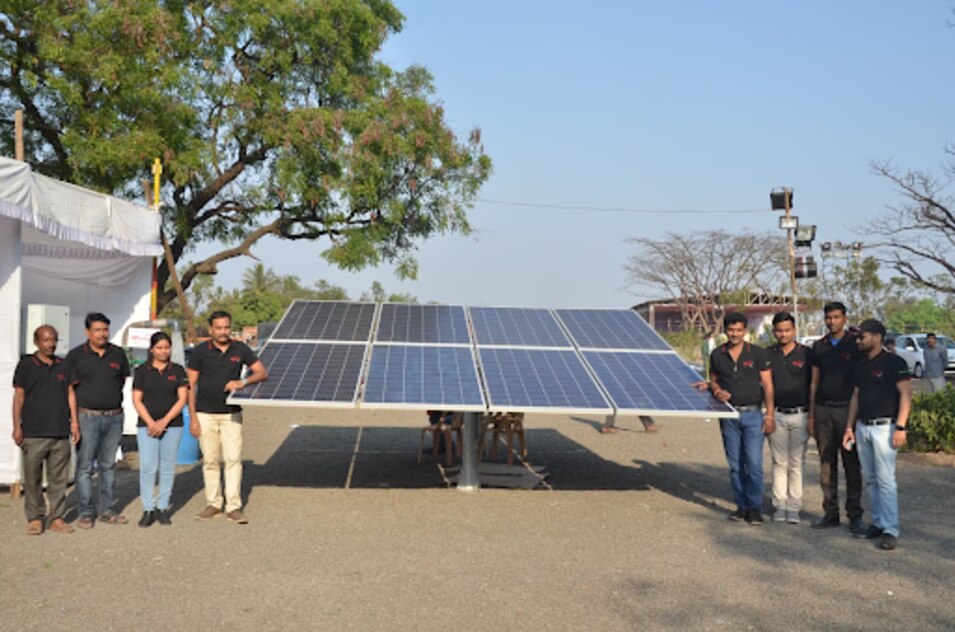
A subsidy can reduce the amount you need to fund, but it does not make every rooftop system economical. You will be able to identify the correct scheme, calculate the real cash benefit, avoid payment delays, and compare the subsidised project with smaller, unsubsidised, or battery-backed alternatives.
Key takeaways
- Claim ₹30,000 per kW for the first 2 kW.
- Receive ₹18,000 for the additional 1 kW, capped at ₹78,000.
- Apply through the National Portal before approving installation.
- Compare warranties, approvals, generation estimates and net project cost.
Which residential rooftop-solar subsidy can you claim?
Identify the state scheme and claim route before signing a quotation. The PM Surya Ghar subsidy provides central financial assistance of ₹30,000 per kW for the first 2 kW and ₹18,000 for the additional 1 kW, capped at ₹78,000 per dwelling.
Check the National Portal for Rooftop Solar, then verify your state renewable-energy agency and DISCOM portal. In Maharashtra, check the MSEDCL rooftop-solar process, consumer-number requirements, and linked net-metering route before approving the vendor.
- Confirm residential consumer status, an eligible electricity connection, a registered or empanelled vendor, approved modules and inverter, and sanctioned load compatible with the proposed capacity.
- Treat ordinary residential grid-connected PV as the normal subsidy category. Verify separately if you want an off-grid system, battery, solar home-lighting product, or installation on a commercial meter.
- Ask for written confirmation before proceeding if the property involves an apartment, tenant, agricultural connection, common-area meter, or three-phase supply. Roof ownership alone proves neither consumer eligibility nor authority to alter the electricity connection.
Central assistance, a state solar subsidy, a DISCOM rebate in India, and net-metering approval are separate administrative matters. One approval does not establish entitlement to another.
| Benefit or approval | What it covers | Where to verify |
|---|---|---|
| Central assistance | PM Surya Ghar subsidy | National Portal |
| State incentive | State-specific support | Renewable-energy agency |
| DISCOM rebate India | Utility-specific payment or credit | DISCOM portal |
| Net-metering approval | Export meter and grid connection | DISCOM process |
How much will the subsidy reduce your actual project cost?
A 5 kW system does not receive subsidy on all 5 kW. The subsidy calculation per kW is: 2 kW × ₹30,000 = ₹60,000, plus the third kW × ₹18,000 = ₹18,000. The fourth and fifth kilowatts receive no additional central assistance, so the total is the ₹78,000 subsidy cap.
Use your gross quotation, not the headline system size, in this template:
- Gross equipment and installation quotation: ₹____
- Eligible subsidy: ₹60,000 + ₹18,000 = ₹78,000 for a system above 3 kW
- Post-subsidy cost: gross quotation minus ₹78,000 = ₹____
- Fourth, fifth and later kilowatts: ₹0 central assistance; compare their extra price with their extra bill savings separately
- Add excluded items: roof repair, structural reinforcement, long cable runs, earthing upgrades, distribution-board changes, scaffolding, meter charges, taxes and battery backup
- Add bridge-finance interest if you borrow until disbursement
Treat a vendor’s estimated subsidy as a projection, not an entitlement. Payment commonly follows installation, DISCOM inspection, commissioning, net-metering milestones and bank-detail submission, rather than appearing as an immediate discount.
Calculate the solar payback period from the final cash requirement. Include annual self-consumption savings, export compensation, fixed charges that remain payable, maintenance, module degradation and possible inverter replacement. A subsidy percentage alone cannot show affordability; include the interest cost of carrying the payment until reimbursement.
What application steps and documents prevent subsidy rejection?
Start the solar subsidy application process on the official scheme portal, not with installation. Keep the application number and vendor registration number for every follow-up.
1. Register using the homeowner’s details and enter the electricity consumer number exactly as printed on the latest bill. The homeowner supplies accurate data and confirms the sanctioned load.
2. Select or verify a registered vendor on the portal. Ask for the vendor’s registration number, then arrange the site survey and provide roof access. The vendor checks roof strength, usable area, wiring and equipment placement.
3. Approve the design and quotation only after checking the module and inverter model numbers, eligible capacity and excluded charges. Do not authorise installation before portal approval.
4. Let the registered vendor install the approved equipment and prepare the invoice, installation photographs, test results and commissioning records. Equipment outside scheme specifications can lead to rejection.
5. Request DISCOM inspection through the portal. The DISCOM verifies the consumer connection, sanctioned load, installation, protection equipment, meter and site evidence. A weak roof, inaccessible equipment or missing inspection photographs can delay acceptance.
6. Obtain the commissioning certificate and net-metering approval. Preserve the inspection record and net-meter reference number; commissioning is not proof of net-metering approval.
7. Upload the subsidy documents: latest electricity bill, consumer number, identity and address proof, roof ownership or occupancy permission where required, quotation, module and inverter numbers, invoice, photographs, commissioning certificate, inspection record and net-meter reference.
8. Submit bank account and IFSC details for disbursement. Match the consumer name, bank name, account number, address, sanctioned load and portal records character for character. Incorrect bank details, an unapproved vendor or installation before approval commonly stops payment.
When does a subsidised system deliver real household value?
A subsidy lowers the upfront price; it cannot repair a shaded roof, poor orientation, inadequate usable area, structural weakness, inaccessible inverter location, or a system that generates electricity while your home is empty.
Require a rooftop solar site assessment covering:
- Roof condition and structural strength
- Seasonal shade, orientation, tilt, and usable area
- Maintenance access and inverter location
- Sanctioned load and protection requirements
- Expected generation, daytime consumption, and export capacity
| Option | Main advantage | Main risk or limitation |
|---|---|---|
| Subsidised grid-connected PV | Lowest initial PV cost | Net metering and export limits, annual settlement, export compensation, and continuing fixed or demand charges determine surplus value |
| Unsubsidised PV | Adds capacity beyond the subsidy cap | Extra kilowatts can export most of their output |
| Smaller daytime-matched array | Higher self-consumption | Less total generation |
| Off-grid battery system | Backup during grid outages | Battery cost and maintenance require separate evaluation |
| Delay purchase | Preserves cash and allows roof or tariff changes | You postpone bill savings |
A 5 or 6 kW system is not automatically better than a 3 kW system when the fourth and later kilowatts are unsubsidised. Compare each extra kilowatt’s cost and bill savings separately.
Keep battery cost, usable capacity, round-trip efficiency, replacement cycle, and backup loads outside the PV subsidy calculation. Rooftop solar is a poor fit for a heavily shaded or weak roof, rented property without written permission, likely sale or move, very low consumption, or an owner unable to complete portal, inspection, and meter tasks.
How should you compare subsidised installation quotations?
A credible solar quotation comparison starts with the system you will receive, not the subsidy headline. Ask each bidder for a bill of quantities separating subsidy-eligible costs from payable costs, including civil work, meter charges, taxes, battery backup and annual maintenance.
| Item | Require in writing |
|---|---|
| Modules | Technology, manufacturer, exact model numbers, product warranty and performance warranty |
| Inverter | Type, exact model, solar equipment warranty and replacement terms |
| Protection | DC and AC isolators, surge protection, earthing and lightning protection |
| Hardware | Mounting material, cable specifications and monitoring method |
| Delivery | Workmanship coverage, commissioning documents and net-metering assistance |
| Responsibility | Named after-sales service contact and response process for failures |
| Costs | Each line marked eligible, excluded or payable by you |
Do not choose the cheapest quote because it claims a larger subsidy. Do not pay an unreceipted deposit, assume approval is guaranteed, or accept “standard warranty” without duration, exclusions and claim procedure.
Retain invoices, approvals and portal records, and provide access for inspection and service. Ask what happens after a move, consumer-name change, inverter replacement, battery addition or warranty claim.
A Pune homeowner can examine Madhuri Solar as one local quotation against competing bills of materials, never as a substitute for checking official portal eligibility. Proceed only when the post-subsidy cash requirement, bridge-finance period, expected self-consumption, export treatment and vendor responsibilities are written down.
Related product
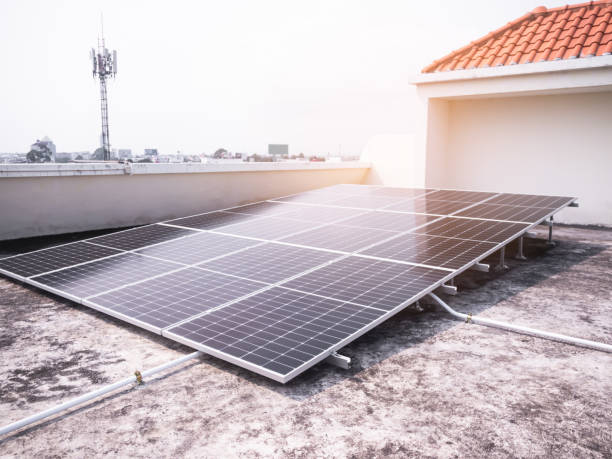 | Solar Rooftop Ongrid System A Solar Rooftop Ongrid System is an efficient, eco-friendly solution that converts sunlight into electricity. View product → |
Frequently asked questions
Which residential rooftop-solar subsidy can you claim?
Under PM Surya Ghar: Muft Bijli Yojana, eligible households can receive ₹30,000 per kW for the first 2 kW and ₹18,000 for the additional 1 kW, with central assistance capped at ₹78,000 per dwelling. Check your state’s additional scheme separately.
How much will the subsidy reduce your actual project cost?
Subtract the approved subsidy from the complete installation price, including modules, inverter, mounting structure, wiring, installation, taxes and approvals. A 3 kW system reaches the ₹78,000 central subsidy cap.
What application steps and documents prevent subsidy rejection?
Use the National Portal, select an eligible vendor, keep your electricity consumer number and bank details accurate, and submit installation, inspection and commissioning information as requested. The bank account should match the applicant’s records.
When does a subsidised system deliver real household value?
It delivers stronger value when your roof has usable unshaded area, your electricity consumption matches the system size, the distribution company approves net metering, and you expect to remain at the property long enough to use the savings.
How should you compare subsidised installation quotations?
Compare the pre-subsidy total, subsidy assumptions, equipment models, inverter capacity, generation estimate, warranties, mounting materials, net-metering work, maintenance terms and the final amount you pay.