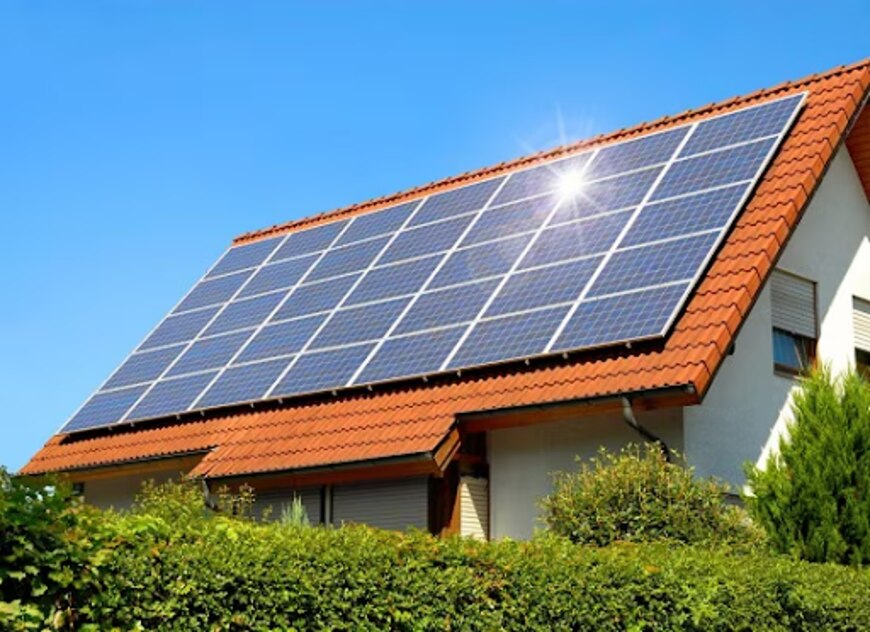
A roof can have enough empty space for panels and still be unsuitable because its covering, structure, shade pattern or electrical service creates a problem. By the end, you will know which evidence to request from an installer and when roof repairs, layout changes, storage or a smaller system make better sense than immediate panel mounting.
Key takeaways
- Inspect roof age, leaks and structure before approving panel installation.
- Map shade by time and season, not from a single midday observation.
- Share interval bills and load details, not only annual electricity use.
- Require a roof plan, shading analysis and system assumptions in writing.
Is the roof ready for a solar installation?
Install panels now only when the roof is dry, structurally sound and has enough remaining service life to outlast the array. Roof age and solar installation must be considered together: mounting a decades-long asset on a roof due for replacement can create two removal-and-reinstallation jobs.
A roof waterproofing inspection should trace existing roof leaks and examine the roof covering, underlayment, sheathing, rafters or trusses, drainage and proposed attachment points. Structural capacity must account for panel, rail, ballast and wind loads; fasteners that miss rafters, trusses or purlins can cause pullout even when the roof looks intact.
Treat these conditions as warning signs requiring investigation before approval:
- Active roof leaks or damp sheathing
- Cracked metal sheets, loose tiles or failed seams
- Corrosion around fasteners or flashing
- Sagging areas or weakened rafters, trusses or purlins
- Ponding water, blocked drains or deteriorated waterproofing
| Decision | Roof condition for solar panels | Correct timing |
|---|---|---|
| Install now | Sound structure, no active leaks and sufficient remaining roof life | Mount panels after documenting attachment and flashing details |
| Repair first | Local leaks, damaged covering, failed flashing or isolated structural weakness | Complete repairs, then recheck waterproofing and attachment strength |
| Replace first | Roof nearing replacement, widespread deterioration or inadequate structural capacity | Replace or reinforce the roof before installing panels |
The proposal should state who is responsible for new penetrations, flashing, leak repairs and any roof warranty. If the installer cannot show where attachments land in structural members, postpone the installation until that evidence is provided.
Which roof features change the mounting method and installation effort?
A mounting point that misses structure can turn a sound roof into a leak or pullout risk. Before selecting the solar panel mounting method, inspect the covering, underlayment, sheathing, structural members, drainage paths and safe routes for carrying equipment and future maintenance.
The design must also account for dead, wind uplift, snow drift and seismic loads; panel weight alone proves little.
Roof type changes the attachment and waterproofing work:
| Roof type | Inspect before fixing | Likely mounting and access implications |
|---|---|---|
| Concrete slab | Cracks, membrane condition, drains, parapets, tanks, vents and embedded reinforcement | Ballasted frames avoid roof penetrations; anchors require approved drilling, edge clearances and repaired waterproofing |
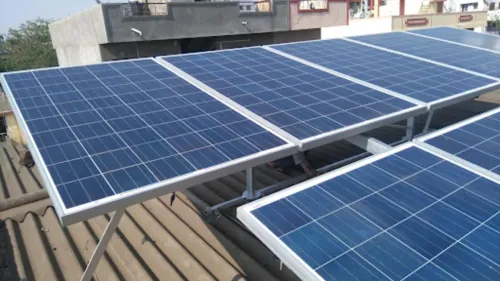
| Metal-sheet roof | Sheet thickness, corrosion, seams, purlins, fastener condition and insulation | Clamp standing seams where permitted; otherwise fasten into purlins with compatible washers and flashing |
| Tile roof | Broken or loose tiles, battens, underlayment, rafters and trusses, valleys and fragile access areas | Lift and replace tiles around hooks; flashing must shed water without loading tiles |
| Industrial roof | Long spans, purlins, skylights, ridge vents, HVAC units, rooflights and maintenance walkways | Engineer rail attachments for uplift and access; reserve clear routes and avoid unsupported sheets |
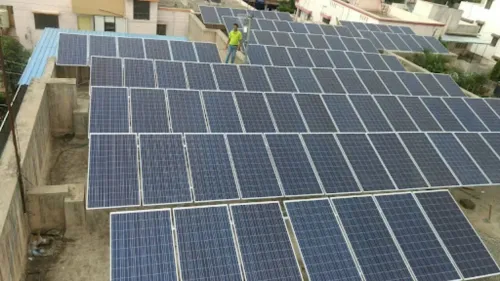
Ask the installer to mark every attachment, roof penetration and flashing detail on a roof plan. Reject a layout that lands only in sheeting, blocks drainage, crowds a skylight or leaves no route to service equipment. Active leaks, cracked sheets, severe corrosion or weakened supports require repair before mounting.
How should shading be measured before panels are laid out?
Measure shading with a full-year solar panel shading analysis, not a single roof photograph. A sun-path assessment maps each obstruction’s height and direction against the sun’s changing azimuth and elevation, then estimates annual energy loss, including winter shading when low sun reaches beneath or around objects.
| Obstruction | Likely effect | Design response |
|---|---|---|
| Trees | Seasonal or growing shadows across several modules; winter shading can be severe | Prune or remove them where lawful and safe; otherwise move the array and model future growth |
| Buildings or parapets | Morning, afternoon or low-winter shadows on edge modules | Set panels back, change row spacing or keep affected modules on a separate circuit |
| Tanks, vents or HVAC equipment | Small, repeated shadows that can affect particular cells and module groups | Relocate the obstruction if practical; otherwise avoid its shadow path and preserve service access |
| Wires | Narrow moving shadows that can trigger disproportionate electrical losses | Reroute or raise the wire where permitted, or keep modules clear of its daily path |
Partial shade can cut more output than the shaded area suggests. Series-connected cells use bypass diodes, and strings couple module performance; microinverters reduce mismatch by letting modules operate more independently, but neither restores blocked sunlight.
Change the layout when the modeled annual loss remains material or shade falls on many modules. Remove an obstruction when pruning, relocation or wire work costs less than decades of lost generation. Choose module-level electronics for scattered, unavoidable shade; use a simpler string design when the array has clear, consistent sunlight.
Why does electricity consumption matter beyond annual kilowatt-hours?
A system sized to offset 100% of annual electricity consumption will still import power when site demand exceeds instantaneous PV output and export power when production exceeds demand. Solar system sizing must therefore match timing: a noon-heavy building uses more generation directly than a similar building that consumes mostly after sunset.
Use 15- or 30-minute interval data to compare the hourly load profile with modeled PV output. Export rules and tariffs determine the value of surplus generation; capped or low export compensation can make an oversized array unattractive.
A battery can shift midday energy into evening use, but round-trip losses and lifecycle cost reduce its financial return.
Peak demand charges create another trap. A brief motor start or production surge can set the monthly billing peak even after solar reduces many kilowatt-hours. Reducing that charge may require battery discharge or load control timed to the peak, not simply more panels.
A suitable roof can still face an electrical constraint. Check:
- Service rating and main-breaker configuration
- Bus capacity, grounding and disconnect location
- Meter arrangement and the utility’s interconnection or export limit
An export limit or undersized service can require a smaller array, control equipment or a service upgrade. Model production as a range, not guaranteed monthly supply, then compare it with the site’s bill-saving strategy before judging the financial result.
What evidence should you require in the installer’s proposal?
Require evidence, not a promised percentage of bill reduction. Your solar installation proposal checklist should let you trace every design choice to a roof observation, shade measurement, load record or utility rule.
| Assumption | Evidence to require | Approval question |
|---|---|---|
| Roof | Photos, roof plan, covering condition, attachment points, structural review, remaining service life and drainage details | Will panels outlast the roof, and who pays for removal during reroofing? |
| Shade | Hour-by-hour shade study showing parapets, trees, tanks, vents and neighboring roofs | Does the layout match the shade pattern, rather than relying on a blanket microinverter claim? |
| Production | PV production estimate stating tilt, azimuth, weather source, temperature, soiling, degradation, inverter downtime and other losses | Is output shown as modeled annual and monthly ranges rather than guaranteed supply? |
| Electrical | Service rating, main-breaker configuration, bus capacity, grounding, disconnects, meter arrangement and utility interconnection limit | Is a service upgrade, export control or smaller array required? |
Check the production model against interval electricity data, peak demand, daytime loads, export tariffs and battery assumptions. A system offsetting 100% of annual use still imports power after sunset and exports surplus at midday.
A defensible solar site assessment records these findings before recommending size, string layout or module electronics. Madhuri Solar can connect its inspection photographs, measured shade pattern, load profile and utility interconnection documents to a design whose cost, output and limitations you can audit.
Related products
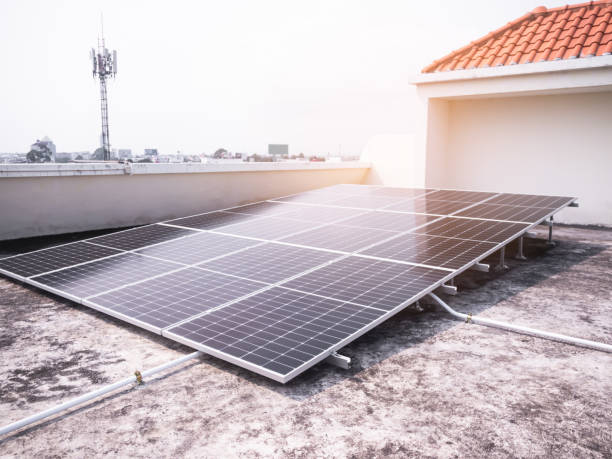 | Solar Rooftop Ongrid System A Solar Rooftop Ongrid System is an efficient, eco-friendly solution that converts sunlight into electricity. View product → |
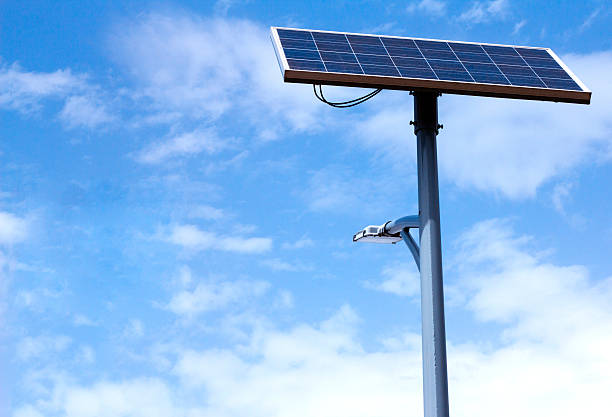 | Streetlight System ₹150000 The Solar Streetlight System offers an eco-friendly and cost-effective lighting solution, powered by solar energy. View product → |
Frequently asked questions
How do I know whether my roof is ready for solar installation?
Check that the roof is dry, structurally sound, free from active leaks and has enough remaining service life to outlast the solar array. Replacing the roof after installation can require removing and reinstalling the panels.
Which roof features affect the solar mounting method?
Roof material, slope, age, condition, framing, parapets, skylights, water tanks and service paths affect the mounting design and installation effort. Ask the installer to identify penetrations, attachment points and waterproofing work.
How should shading be measured before panels are laid out?
Measure shade across the roof throughout the day and across relevant seasons, including shadows from trees, buildings, tanks and parapets. Require a layout that shows shaded areas and explains the effect on string or module performance.
Why does electricity consumption matter beyond annual kilowatt-hours?
Consumption timing, daytime loads, peak demand, seasonal changes and future equipment such as pumps or electric vehicles affect system size and design. Provide bills or interval data so the installer can match generation to your actual load profile.
What evidence should a solar installer include in the proposal?
Require a roof assessment, dimensioned panel layout, shading analysis, equipment specifications, estimated production, system-size assumptions, mounting details, warranty terms and expected interconnection requirements.
Related products
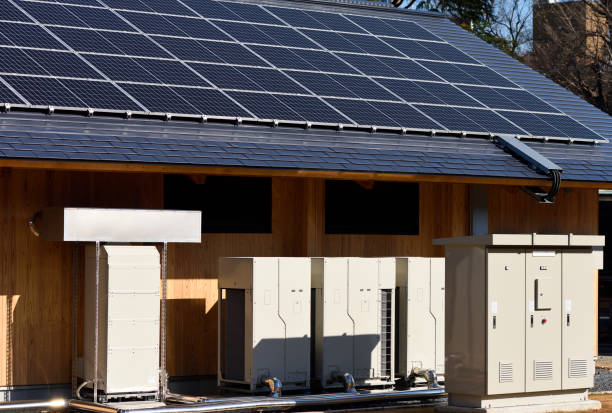 | Solar Offgrid System A Solar Offgrid System is an independent energy solution that operates without relying on the main power grid. View product → |
 | Solar Product The Solar Homelight System provides an eco-friendly, cost-effective lighting solution for homes. View product → |
 | Solar Camera Our Solar Camera offers reliable, eco-friendly surveillance powered by solar energy. View product → |
 | Solar Dual Water Pumping System The Solar Dual Water Pumping System efficiently harnesses solar energy to power two independent water pumps, providing a sustainable solution for... View product → |