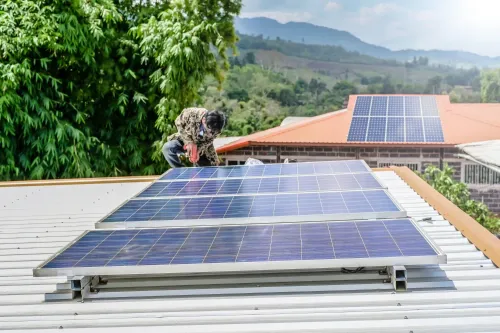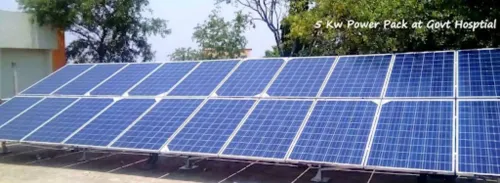
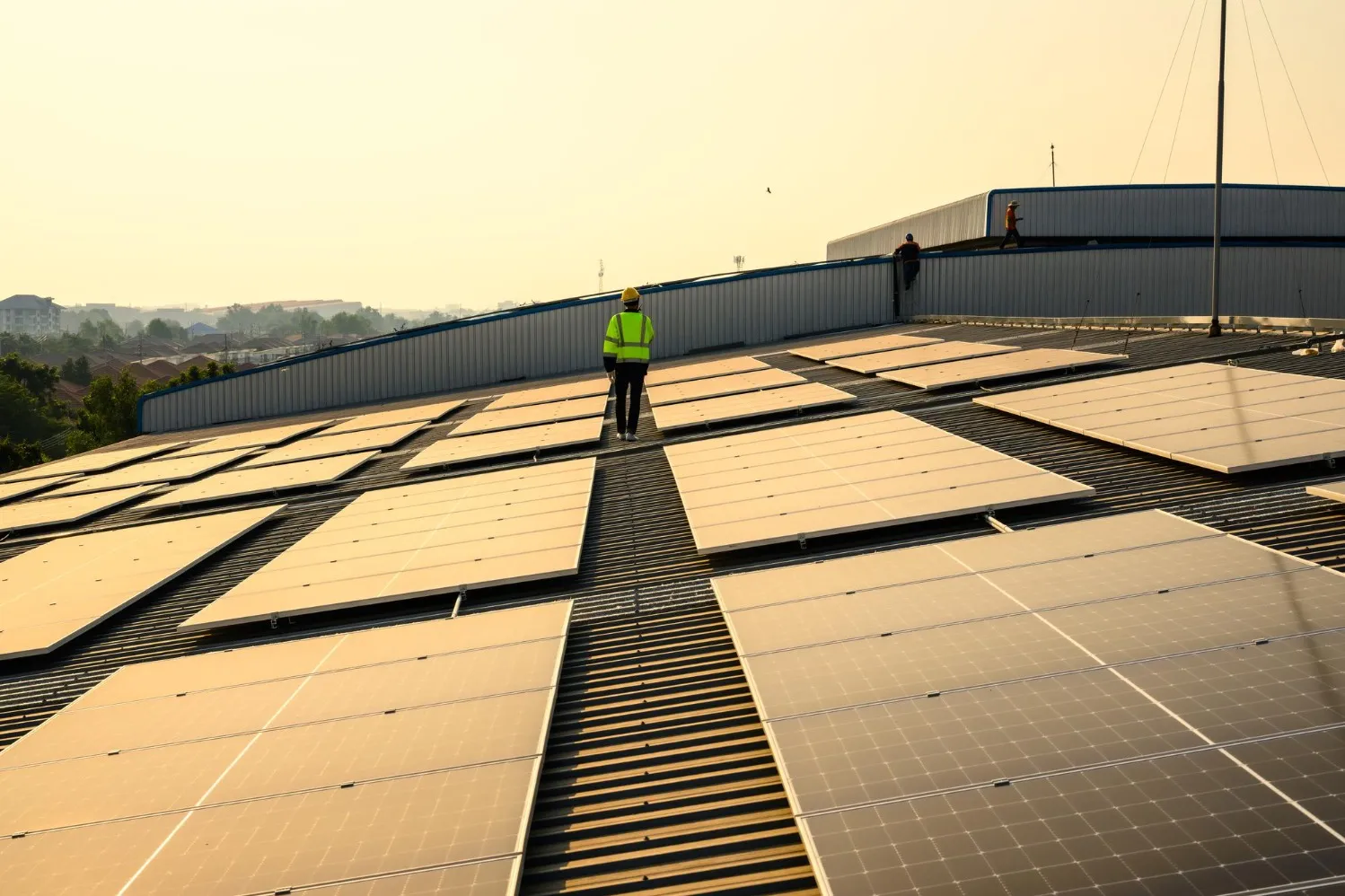
A Rooftop Solar Installation is expected to operate for many years, which makes decisions taken before installation particularly important. Problems such as avoidable shading, inconvenient maintenance access, unsuitable system sizing, and unclear project scope can affect performance long after the installation team leaves the site.
Property owners can reduce these risks by recognizing common planning mistakes.
Choosing Capacity Without Studying Consumption
Selecting a system because someone else installed the same capacity is rarely a reliable method.
Electricity consumption differs between properties.
Recent electricity bills should be reviewed to understand average demand, seasonal changes, and daytime usage before determining system capacity.
Ignoring Future Shading
A roof may appear sunny during one site visit but experience shadows at other times.
Water tanks, neighboring buildings, trees, parapet walls, utility rooms, and rooftop equipment can create shading.
The sun's position also changes throughout the year.
Module placement should therefore consider the site's broader shading conditions rather than only the situation observed at one moment.
Blocking Important Roof Access
Panels should not make essential roof maintenance unnecessarily difficult.
Property owners may need access to:
- Water tanks
- Drainage outlets
- Plumbing lines
- Waterproofing areas
- Staircase entrances
- Electrical services
- Other rooftop equipment
Planning service pathways before installation can prevent future inconvenience.
Treating All Equipment as Identical
Solar proposals may look similar because they use familiar terms such as panels, inverter, structure, and cables.
Specifications can nevertheless differ significantly.
Customers should review brands, model specifications, warranties, protection equipment, structure details, and monitoring features before approving the project.
Focusing Only on the Lowest Price
Price matters, but it should be evaluated together with scope.
A cheaper quotation may exclude work or use different equipment specifications. Without comparing what is actually included, the lowest number provides limited information.
Request a detailed scope covering supply, installation, testing, electrical protection, mounting, and other project responsibilities.
Forgetting About Cleaning Access
Solar modules can collect dust and debris.
If panels are installed without safe access, routine cleaning can become unnecessarily difficult.
Module layout should allow reasonable access without requiring unsafe movement around the roof.
Assuming Solar Automatically Provides Backup
Not every solar system continues powering a property during a grid outage.
Backup capability depends on system design and may require suitable inverter technology, batteries, and dedicated load planning.
Customers who require outage support should state this before the system is designed.
Skipping Performance Monitoring
Modern solar systems may provide monitoring capabilities that help users understand generation.
Monitoring can make unusual drops in performance easier to identify.
Owners should understand how generation information will be viewed and what steps to take when unexpected changes occur.
Good Planning Prevents Expensive Corrections
Madhuri Solar provides solutions across rooftop, off-grid, residential, agricultural, and hybrid energy applications. Regardless of which provider a property owner chooses, Rooftop Solar Installation should begin with careful site assessment and clear system planning.
Electricity requirements, roof conditions, shading, equipment specifications, safety, maintenance access, system type, and project scope should all be settled before installation begins.
Avoiding these common mistakes helps create a system that is easier to operate, maintain, and evaluate throughout its service life.
Keywords