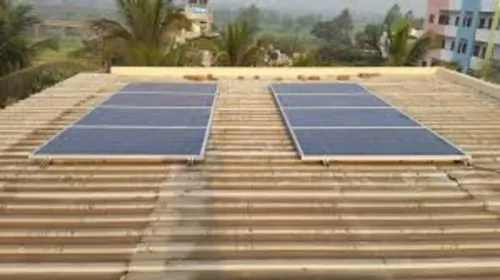
A solar installation can fit on a roof and still fail at the design, approval, wiring, or utility-connection stage. By following the process from document preparation through testing and permission to operate, you can identify missing checks, understand cost changes, and compare an installation proposal with the finished system.
Key takeaways
- Demand measured roof dimensions, orientation, shading, structure, and cable routes.
- Check the design package for equipment ratings, protection devices, drawings, and approvals.
- Verify earthing, insulation resistance, polarity, labeling, and inverter commissioning records.
- Collect as-built drawings, warranties, test results, manuals, and meter-change documents at handover.
What the Installer Must Record Before Designing the System
A genuine solar site survey ends with measured constraints, not a satellite screenshot. The installer should visit the property, photograph key areas, verify roof dimensions and orientation, and inspect the structural condition of roof, electrical service, access, and cable routes before proposing equipment.
1. Prepare recent electricity bills, the utility meter number, service-rating details, roof age, maintenance records, and any planned reroofing. A roof with little service life left can make an otherwise sound array uneconomic if panels must be removed soon.
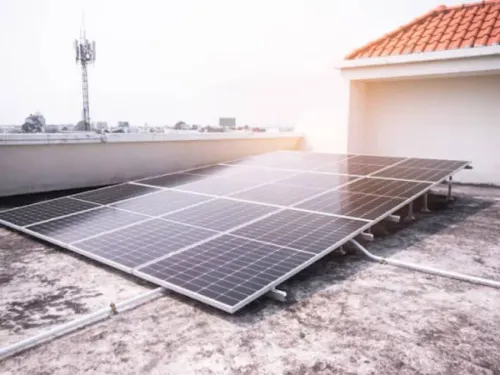
2. During the solar site survey, record roof planes, pitch, attachment zones, framing, drainage, waterproofing, wind exposure, snow or debris accumulation, fire-access paths, and safe working routes. Check whether a crane, lift, or long material-carrying route is needed.
3. Complete a shading analysis from the actual array position. Record nearby trees, tanks, parapets, buildings, and overhead lines at different times of day; a single annual shading percentage can hide direct losses and string mismatch.
4. Inspect the service equipment, disconnects, grounding and bonding points, proposed inverter location, conductor paths, communications or internet availability, and meter arrangement. Photograph labels and note clearances rather than relying on assumptions.
Ask the installer to provide the survey record, annotated photographs, measurements, obstruction notes, and unresolved questions before approving design work. A bill-based estimate cannot reveal attachment risk, cable distance, or a blocked fire path.
How Survey Findings Become a System Design and Approval Package
Panel capacity starts with usable roof area, structural capacity, shading, and electricity demand—not the largest number of modules that fit. Solar system sizing compares daily energy consumption with roof orientation, seasonal irradiance, temperature, and expected losses; a roof needing replacement can make removal and reinstallation part of the project cost.
The connected load sets another boundary. Service rating, main-breaker capacity, phase arrangement, conductor ratings, and available fault current determine whether the proposed inverter can connect directly or requires a service upgrade, load-management equipment, or a different connection point.
Export limits then decide whether surplus power can flow to the grid, must be curtailed, or should charge a battery.
String layout must pass cold and hot temperature checks. Cold-weather open-circuit voltage must stay below module and inverter ratings, while hot-weather operating voltage must remain inside the inverter MPPT window and voltage limits. The inverter’s MPPT count, current limits, maximum DC input power, and permitted DC-to-AC ratio determine string lengths, module grouping, and clipping risk.
- Confirm the array layout against measured obstructions, fire-access paths, drainage, attachment zones, and shading geometry.
- Match the equipment schedule to the one-line diagram: modules, inverter, battery, disconnects, conductor sizes, overcurrent protection, grounding, bonding, and labels.
- Record the utility export limit, service connection, meter arrangement, and approval documents.
- Price structural repairs, reroofing, service upgrades, communications, battery equipment, access, and permitting separately.
A battery earns its cost when export is restricted, evening consumption is high, or backup power is required; it is harder to justify when daytime use absorbs most generation. Any field substitution can invalidate the approved voltage, current, and fault calculations.
From Procurement to Safe Mounting, Wiring, and Protection
After approval, freeze the one-line diagram, equipment schedule, module quantities, inverter model, conductor sizes, protection devices, and mounting drawings before procurement. A module or inverter substitution, changed string count, or relocated inverter requires recalculating voltage, current, fault current, and rapid-shutdown compliance.
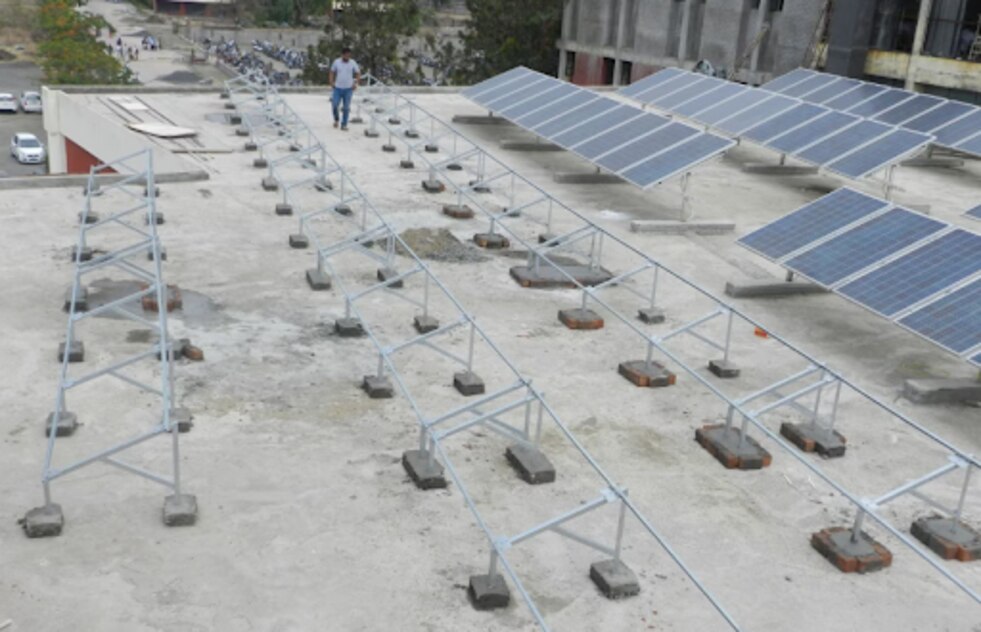
The solar panel mounting method follows the structure, loads, roof covering, wind and snow exposure, drainage, access, and remaining roof life.
| Mounting condition | Engineering check | Failure if missed |
|---|---|---|
| RCC slab and metal roof installation | Verify structural capacity, attachment zones, fastener compatibility, wind uplift, drainage, and service clearances | Cracked concrete, roof leaks, corrosion, or panel detachment |
| Ground mounting | Check soil, foundations, row spacing, cable protection, access, and wind loading | Settlement, shading between rows, or damaged underground wiring |
| Any roof system | Detail waterproofing and corrosion protection around penetrations and dissimilar metals | Water ingress and premature fastener failure |
Complete the DC string design and grounding checks before pulling cable. Cold-weather open-circuit voltage must stay below the module, inverter, and equipment ratings; hot-weather operating voltage must remain inside the inverter’s MPPT range. Route positive and negative conductors together where practicable, protect them from edges and heat, maintain bend radii, and identify every string.
Bonding, protective-conductor continuity, disconnect locations, overcurrent protection, and equipment ratings must match the drawings. In the United States, verify the adopted NEC edition and authority interpretation for rapid shutdown, including its boundary, initiation method, listed equipment, and labels; an inverter feature alone proves nothing. Photograph concealed connections, torque-mark terminals, and record any approved field change.
Testing, Utility Inspection, Meter Changes, and Commissioning
A system is not ready for grid connection because the inverter starts. Before energising it, complete solar commissioning against the approved drawings and record results by string or circuit.
1. Perform IEC 62446-1 testing, including protective-conductor continuity, insulation resistance and polarity checks, string open-circuit voltage, string current, disconnect operation, overcurrent protection, and inverter functional checks. Check cold-weather open-circuit voltage against equipment limits and hot-weather operating voltage against the inverter’s MPPT range.
2. Compare string currents under stable irradiance, module temperature, tracker position, and operating state. A matching voltage does not expose every fault: investigate abnormal strings with connector checks, I-V curve tracing, or infrared inspection when required. Record instrument readings, test conditions, circuit identifiers, and any corrective work.
3. Reconcile the as-built installation with the final one-line diagram and equipment schedule. Confirm conductor sizes, string count, inverter and protection ratings, disconnects, grounding and bonding, labels, rapid-shutdown equipment where required, and module and inverter serial numbers. A substituted module or relocated inverter can invalidate the original calculations.
4. Complete the authority inspection and utility inspection separately. A passed building or electrical inspection does not grant permission to parallel an interactive system with the grid. Submit the test package, as-built drawings, protection settings, photographs, and requested forms before the utility authorises operation.
5. Install or reconfigure the net meter only after utility approval, then obtain written permission to operate. Handover should include the approval record, monitoring credentials, warranties, string map, test results, and final drawings; without these, future faults are difficult to distinguish from installation defects.
How the Workflow Changes by Site Type—and What to Demand at Handover
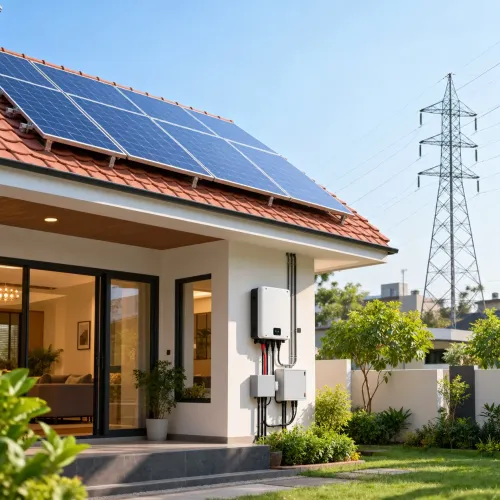
A residential solar installation is usually shaped by roof condition, limited working space, household load, and a simple meter change. An agricultural solar project adds pump duty, long cable runs, exposed equipment, water and dust protection, seasonal irrigation demand, and land access.
| Site type | Workflow difference | Handover issue to check |
|---|---|---|
| Residential | Coordinate roof access, structural attachment, shutdowns, and household safety | Confirm the final string map, labels, monitoring access, and utility approval |
| Agricultural | Match array output and pump operation to water demand; protect cables and equipment from livestock, moisture, and field damage | Check pump settings, cable routes, earthing, enclosure ratings, and seasonal operating instructions |
| Commercial and public-sector solar | Manage multiple loads, shutdown windows, fire access, procurement approvals, inspections, and separate facility stakeholders | Require commissioning evidence, approval records, training, maintenance responsibilities, and change control |
Demand a handover package, not merely an inverter start-up sheet. It should contain:
- Final as-built drawings: one-line diagram, array layout, string map, cable sizes, disconnects, protection settings, grounding, bonding, and labels
- Module and inverter serial-number schedule, equipment warranties, datasheets, and substituted-component records
- String-by-string polarity, voltage, current, insulation-resistance, continuity, and protection-operation results
- Torque or attachment records where specified, plus rapid-shutdown verification where applicable
- Monitoring credentials, operating instructions, maintenance schedule, and fault contacts
- The approved interconnection record and permission to operate
Madhuri Solar should provide these records when its installation is accepted. Judge output against irradiance, temperature, clipping, curtailment, and inverter limits—not the nameplate alone.
Related products
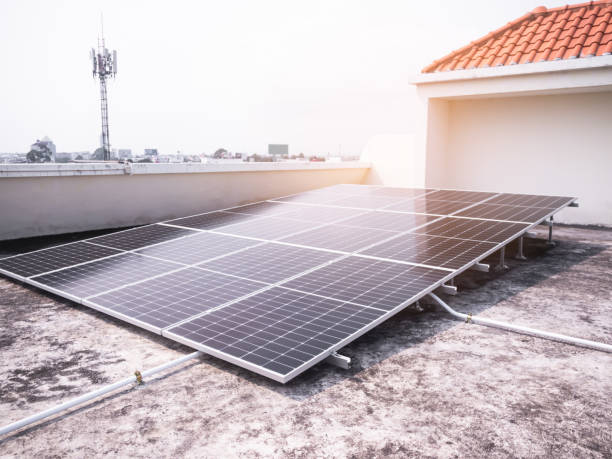 | Solar Rooftop Ongrid System A Solar Rooftop Ongrid System is an efficient, eco-friendly solution that converts sunlight into electricity. View product → |
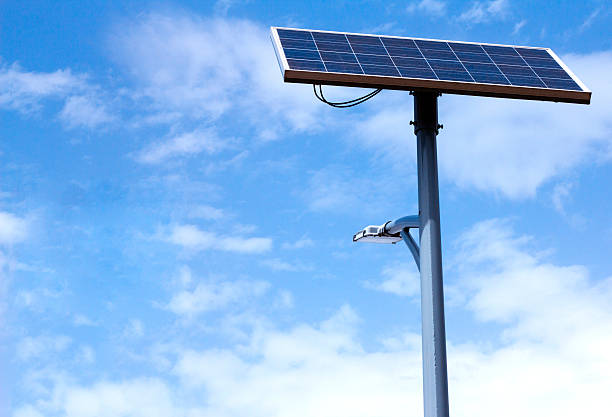 | Streetlight System ₹150000 The Solar Streetlight System offers an eco-friendly and cost-effective lighting solution, powered by solar energy. View product → |
Frequently asked questions
What must an installer record during a solar site survey?
The installer should record measured roof dimensions, orientation, shading, structural condition, electrical-service details, access constraints, and cable routes, with photographs and site notes.
What should a solar system design and approval package contain?
Request equipment specifications, array and single-line diagrams, layout drawings, inverter and protection ratings, structural details, cable schedules, and the documents required for utility approval.
What safety checks are required before commissioning?
Verify mounting security, cable management, polarity, insulation resistance, earthing, protective devices, labels, inverter settings, and test results before energising the system.
What should you receive at solar installation handover?
Collect as-built drawings, commissioning results, equipment manuals, warranty documents, maintenance guidance, serial numbers, utility records, and meter-change confirmation.
Related products
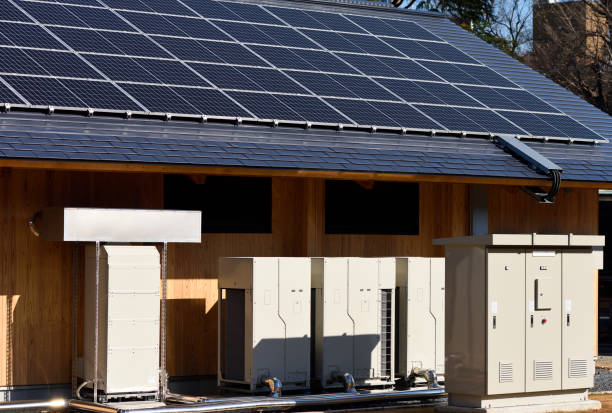 | Solar Offgrid System A Solar Offgrid System is an independent energy solution that operates without relying on the main power grid. View product → |
 | Solar Dual Water Pumping System The Solar Dual Water Pumping System efficiently harnesses solar energy to power two independent water pumps, providing a sustainable solution for... View product → |
 | Solar Product The Solar Homelight System provides an eco-friendly, cost-effective lighting solution for homes. View product → |
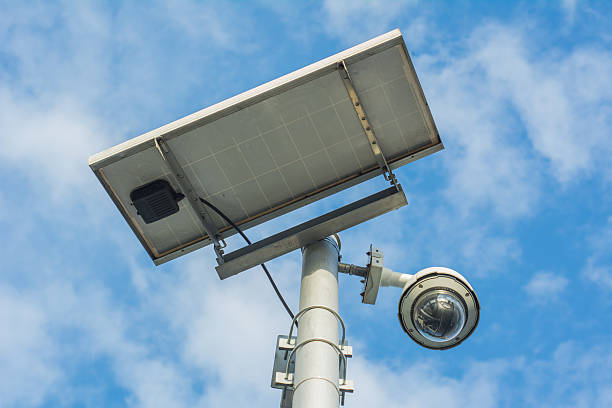 | Solar Camera Our Solar Camera offers reliable, eco-friendly surveillance powered by solar energy. View product → |