Choosing a Solar Company requires more than comparing the number printed at the bottom of each quotation. Solar projects combine electrical design, structural considerations, equipment selection, installation practices, documentation, commissioning, and long-term support.
Homeowners, businesses, farmers, institutions, and industrial customers should therefore evaluate how a provider approaches the complete project.
Look for a Site-Specific Assessment
A credible proposal should reflect actual conditions.
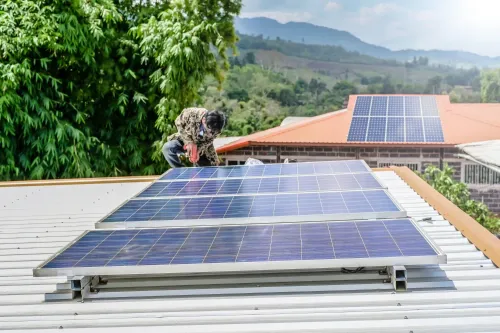
For rooftop projects, the assessment may include roof area, shading, structural considerations, electrical infrastructure, inverter placement, cable routing, and maintenance access.
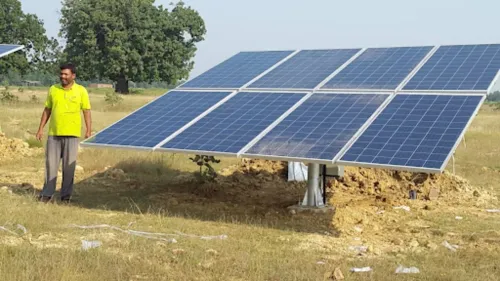
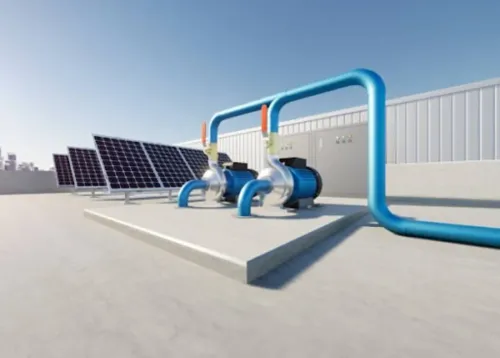
For agricultural or off-grid applications, the assessment may focus on operating loads, pumping requirements, backup expectations, storage, and available solar exposure.
Be cautious when a final system recommendation is provided without understanding the site.
Ask Why the Proposed Capacity Was Selected
A provider should be able to explain the reasoning behind system sizing.
For a home, this may involve electricity bills and daytime consumption.
For commercial or industrial facilities, operating hours, load profiles, expansion plans, and demand patterns may need consideration.
The explanation should be understandable rather than hidden behind technical terminology.
Review Equipment Details
Ask for clear specifications for major components.
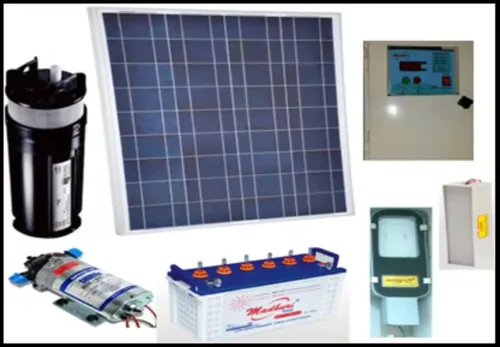
Depending on the project, this can include:
- Solar modules
- Inverter
- Mounting structure
- Cables
- Protection devices
- Earthing
- Monitoring system
- Batteries
- Controllers
Compare warranty terms and equipment specifications instead of relying solely on broad descriptions.
Examine the Installation Scope
A detailed quotation should make it clear what the provider is responsible for.
Check whether the proposal covers mounting, cabling, electrical connections, protection equipment, testing, commissioning, and relevant documentation assistance.
Ambiguous scope can create disagreements after the project begins.
Ask About Safety
Solar installations involve DC electricity, AC connections, rooftop work, and long-term outdoor exposure.
Ask how earthing, electrical protection, cable management, mounting security, and system isolation are addressed.
Safety should be part of the initial proposal rather than treated as an optional addition.
Understand After-Installation Support
Solar equipment may operate for many years, but customers can still require assistance with monitoring, troubleshooting, maintenance, warranty coordination, or system changes.
Ask what happens after commissioning.
Questions worth raising include:
- Who handles technical complaints?
- Is performance monitoring explained?
- What maintenance is recommended?
- How are warranty issues handled?
- Can the system be inspected later if required?
Match Experience to Your Application
A provider experienced only with small residential rooftops may not necessarily have the same capabilities required for agricultural pumping, commercial facilities, institutions, off-grid installations, or hybrid storage systems.
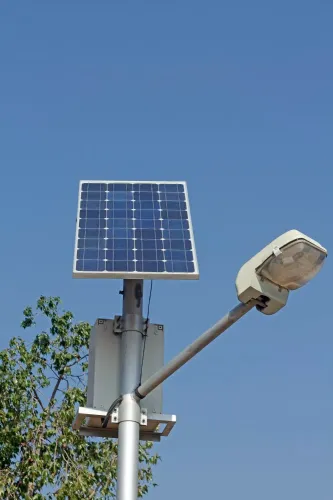
Madhuri Solar works across solar power solutions including rooftop systems, pumping, home lighting, street lighting, off-grid applications, solar cameras, and hybrid energy storage.
When evaluating any Solar Company, determine whether its capabilities match the type and complexity of your project.
A reliable selection process should ultimately consider technical assessment, equipment transparency, installation practices, safety, documentation, and ongoing support together. Those factors provide a stronger basis for choosing a solar partner than price alone.
Keywords