A Residential Solar System is a long-term addition to a property, so purchasing decisions should not be based solely on panel wattage or a headline price. The system needs to match household electricity consumption, roof conditions, electrical infrastructure, backup expectations, and future requirements.
A structured buying checklist can make quotations easier to compare.
Start With Electricity Consumption
Collect several recent electricity bills.
Look at average monthly consumption rather than selecting capacity from a single high or low month.
Consider whether household usage may increase because of additional air conditioners, appliances, a home office, electric cooking, water pumping, or electric vehicle charging.
Inspect the Roof
Before accepting a proposal, confirm:
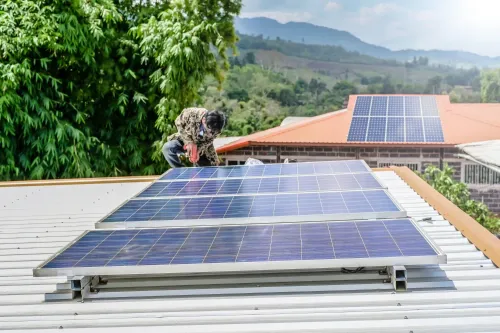
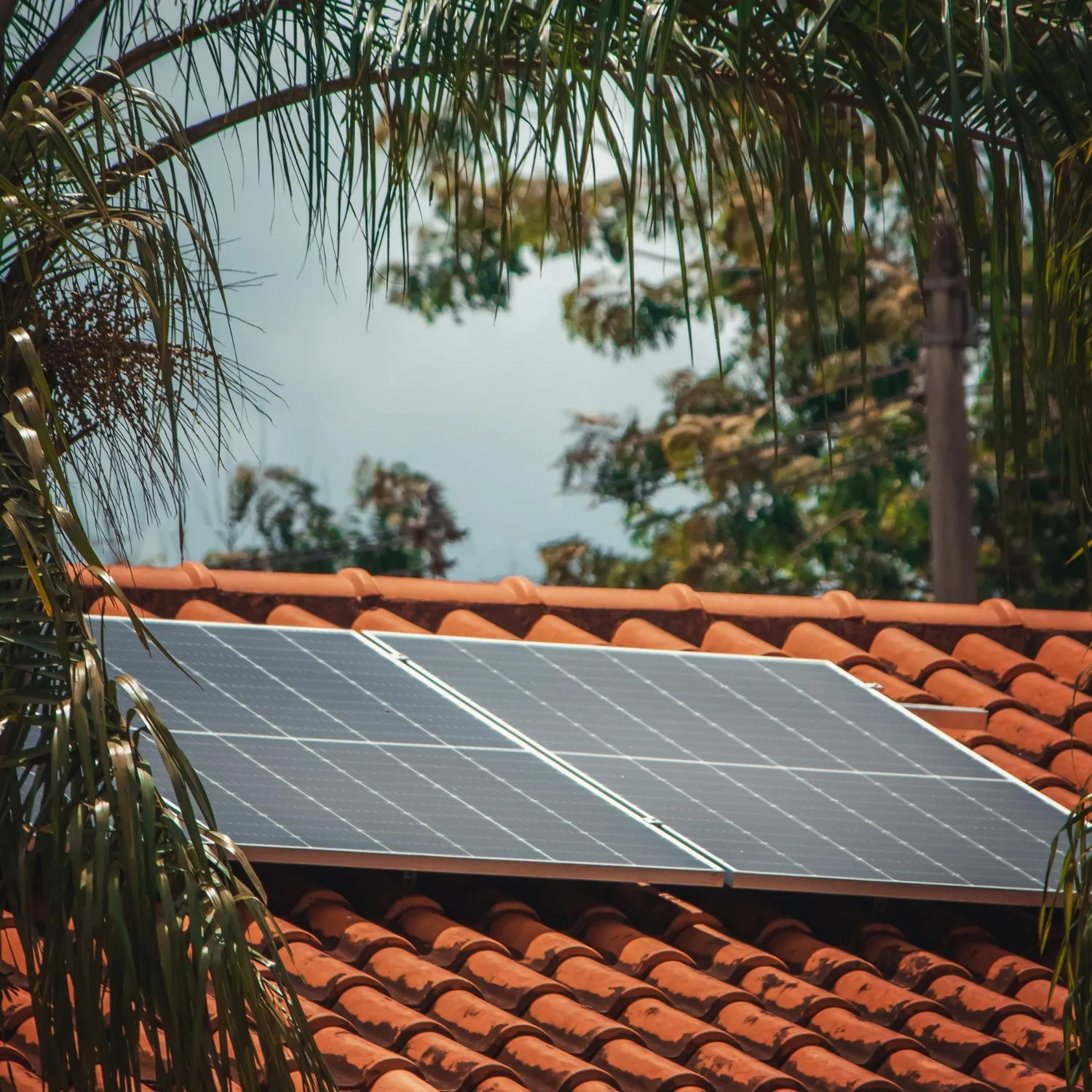
- How much roof area is usable
- Whether significant shading exists
- Where the panels will be positioned
- How maintenance pathways will be maintained
- Whether water tanks remain accessible
- Whether roof repairs are required first
- Where the inverter will be installed
A site drawing or clear layout can help homeowners understand the proposed installation.
Confirm the System Type
Ask whether the proposal is grid-connected, off-grid, or hybrid.
These configurations provide different capabilities.
If backup during electricity outages is important, clarify exactly how the proposed system will behave when the grid fails.
Never assume that panels alone guarantee backup power.
Review Module Specifications
Ask for the manufacturer, model, rated capacity, technology, product warranty, and relevant performance warranty information.
The objective is not to choose equipment based solely on one specification. It is to understand what is being supplied.
Check the Inverter
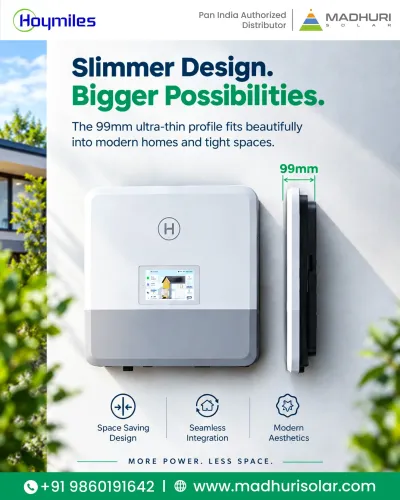
The inverter is central to solar system operation.
Confirm:
- Type
- Rated capacity
- Compatibility
- Monitoring features
- Warranty
- Proposed installation location
If batteries are included, understand their technology, usable storage assumptions, warranty, and expected role within the system.
Examine Safety Components
The proposal should explain the electrical protection and earthing arrangements.
Customers should also check cable quality, routing, connectors, isolation equipment, and mounting practices.
Solar systems operate outdoors for extended periods, making appropriate installation practices important.
Understand Monitoring
Ask how you will check system generation after commissioning.
Monitoring helps homeowners understand everyday performance and identify unusual changes.
The installer should explain what normal variation looks like because generation naturally changes with weather and seasonal sunlight.
Read the Commercial Terms
Before approving the project, check:
- Total project scope
- Payment stages
- Installation responsibilities
- Warranty terms
- Exclusions
- Estimated completion process
- Documentation responsibilities
- Maintenance recommendations
- Support arrangements
Do not rely entirely on verbal assurances.
Evaluate the Provider
Madhuri Solar supplies renewable energy solutions across residential, rooftop, off-grid, agricultural, lighting, and hybrid applications.
When selecting a Residential Solar System provider, homeowners should look for clear technical explanations, site-specific design, transparent equipment specifications, appropriate safety practices, and defined post-installation support.
A good purchasing decision is not simply about finding solar panels at an attractive price. It is about ensuring that every part of the system has been selected and installed to suit the property where it will operate.
Keywords