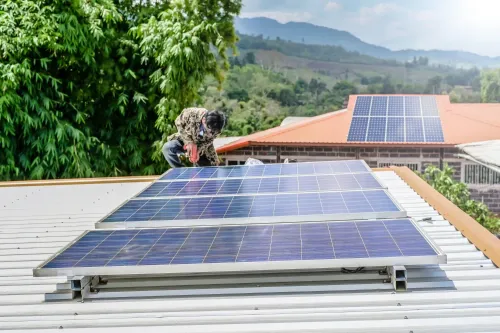
A professional Solar Panel Installer should not recommend a system capacity based only on roof size. Electricity consumption, shading, roof characteristics, electrical infrastructure, and the intended purpose of the system all influence the final design.
Understanding these checks can help property owners recognize the difference between a site-specific proposal and a generic solar quotation.
Electricity Bills Provide the Starting Point
One of the first things an installer should understand is how electricity is being consumed.
Recent bills can reveal monthly consumption patterns and help establish whether the proposed solar capacity is reasonable.
For commercial properties, schools, offices, and industrial facilities, daytime consumption is particularly relevant because a significant portion of solar generation occurs during working hours.
Residential consumption patterns may be different, especially when occupants use more electricity during evenings.
The Roof Needs More Than Enough Space
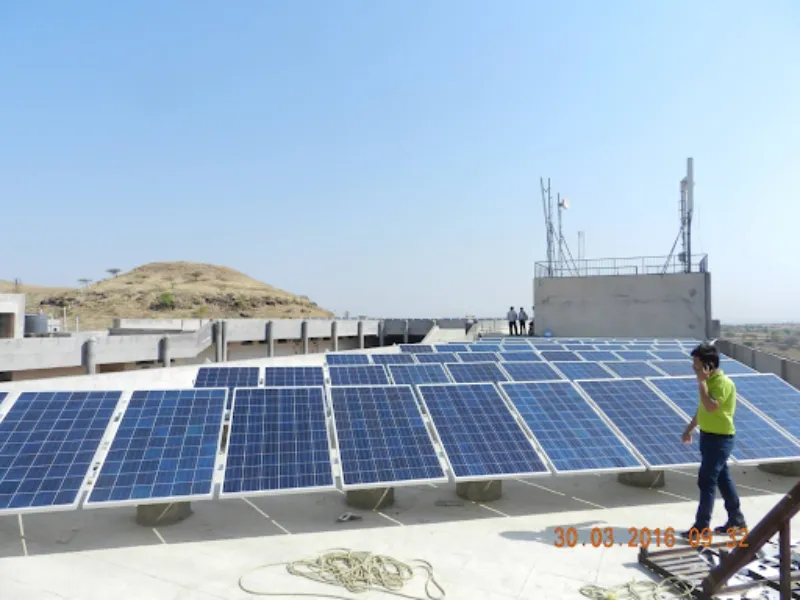
Having a large terrace does not automatically mean the entire area is suitable for panels.
An installer may examine:
- Usable roof area
- Roof condition
- Orientation
- Potential shading
- Water tanks and service areas
- Parapet walls
- Access routes
- Existing rooftop equipment
- Future construction plans
Maintenance access also matters. Panels should not be positioned in a way that makes cleaning, inspection, or roof maintenance unnecessarily difficult.
Shading Can Affect Generation
Solar modules depend on sunlight, making shading analysis an important part of system planning.
Nearby buildings, trees, overhead structures, antennas, water tanks, and other rooftop objects can affect sunlight at different times of the day.
The impact may also change seasonally as the sun's position changes.
Good design therefore considers the actual solar exposure of the installation area rather than simply fitting the maximum possible number of panels.
Electrical Infrastructure Must Be Considered
The solar array is only one part of the installation.
An installer should also examine the property's electrical system and determine where components such as the inverter, protection equipment, and interconnection arrangements can be positioned.
Cable distances, electrical safety, earthing, and accessibility should form part of the planning process.
System Type Depends on the Requirement
Different customers have different reasons for installing solar.
A homeowner may primarily want to reduce dependence on grid electricity. A farmer may require solar power for agricultural applications. An educational institution may have substantial daytime demand, while a business may want predictable long-term energy costs.
Depending on the requirement, the installer may discuss:
- Grid-connected systems
- Off-grid systems
- Hybrid solar systems
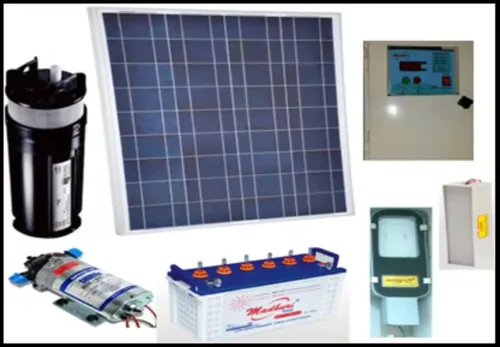
- Battery storage
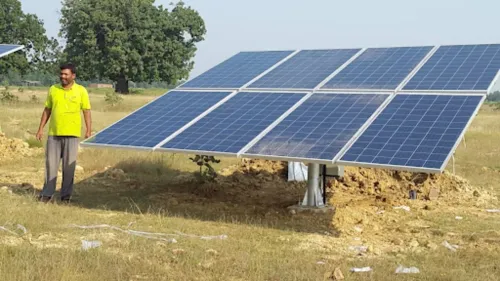
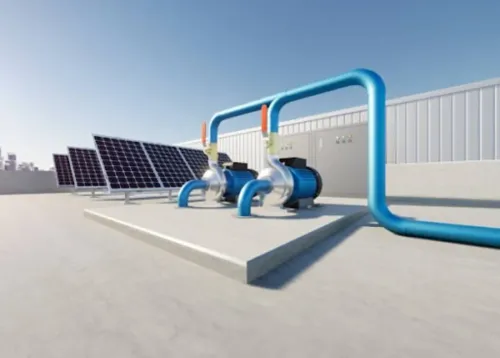
- Solar pumping applications
- Other specialized solar solutions
The correct configuration depends on the site rather than on a single universal recommendation.
Local Conditions Should Influence Planning
Weather patterns, dust, heat, seasonal rainfall, surrounding development, and roof conditions all affect practical system planning.
Customers should therefore expect recommendations to reflect local operating conditions instead of receiving only a catalogue-based quotation.
A knowledgeable provider should also explain how seasonal variations can affect generation expectations.
Questions Worth Asking During the Assessment
Property owners can learn a great deal by asking simple questions:
- Why has this system capacity been recommended?
- How much usable roof area is required?
- Are there significant shading concerns?
- Where will the inverter be installed?
- What electrical protection is included?
- How will maintenance access be maintained?
- What generation assumptions were used?
Clear answers make proposals easier to compare.
Madhuri Solar provides renewable energy solutions across residential, agricultural, commercial, institutional, and other applications. Regardless of the provider selected, customers should expect a Solar Panel Installer to understand the site before finalizing the system.
The quality of that initial assessment can influence everything from equipment selection to long-term energy generation.
Keywords