Government support can influence the affordability of eligible residential solar projects, which is why Solar Subsidy is frequently researched before homeowners begin installation. However, eligibility, application procedures, approved system requirements, documentation, and benefit structures can change over time.
Homeowners should therefore verify current official requirements before making a purchase based on an assumed subsidy amount.
Confirm That Your Project Is Eligible
Not every solar installation automatically qualifies for a subsidy.
Eligibility can depend on factors such as customer category, system type, capacity, installation arrangement, applicable scheme, and current government rules.
Residential customers should verify the latest conditions through the relevant official channels before committing financially.
Commercial and industrial customers should not assume that residential support structures apply to their projects.
Understand the Application Sequence
One of the most avoidable mistakes is completing major project steps before understanding the required application procedure.
Some schemes may require specific registration, approvals, provider conditions, technical requirements, inspection stages, or documentation.
The sequence matters.
Homeowners should know which steps must be completed before installation and which occur after commissioning.
Keep Electricity Account Information Ready
Solar applications can require information connected to the electricity consumer account.
Ensure that names, account details, property information, and supporting documents are accurate and consistent where required.
Discrepancies can create unnecessary delays during processing.
Check System Capacity Requirements
The amount of support available under a scheme may depend on eligible capacity and applicable rules.
Do not choose system size solely to maximize a subsidy.
The solar capacity should first make sense for electricity consumption, available roof area, and household requirements.
An oversized system that does not suit the property is not automatically a better investment simply because an incentive is available.
Ask What the Quotation Includes
Customers should distinguish between equipment price, installation price, any applicable subsidy assumption, and the amount actually payable at different stages.
Ask the provider to explain the quotation clearly.
Avoid relying on vague statements about a 'final price after subsidy' without understanding the conditions attached to that calculation.
Verify Current Information
Solar policies can evolve.
Information found in an old article, video, social media post, or previous customer's quotation may no longer reflect current rules.
Before proceeding, verify:
- Current eligibility criteria
- Applicable capacity limits
- Required application process
- Documentation
- Technical requirements
- Inspection requirements
- Current financial benefit structure
- Payment mechanism
Official sources should take priority when confirming scheme details.
Choose a Provider Familiar With the Process
For customers intending to use an applicable residential support scheme, familiarity with current procedural requirements can be useful.
Ask potential providers what documentation assistance they offer and which responsibilities remain with the homeowner.
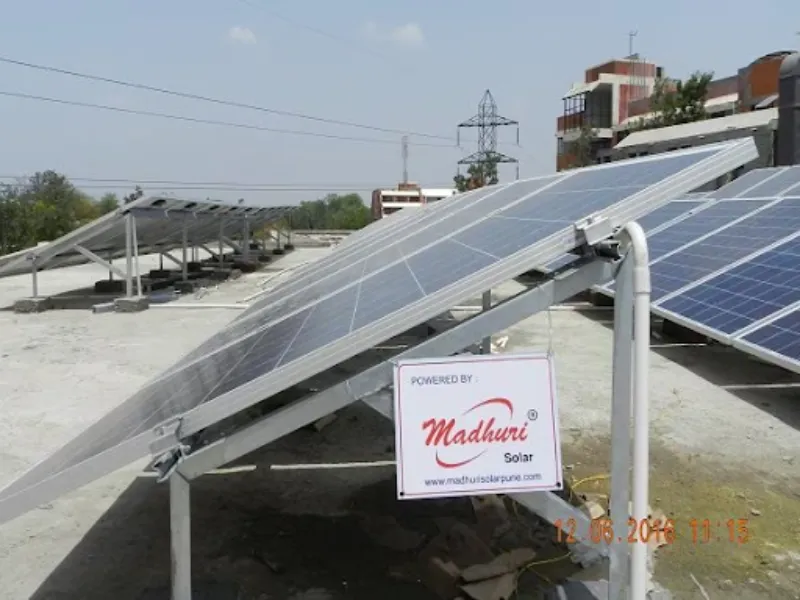
Madhuri Solar serves residential and other renewable energy requirements. When Solar Subsidy is relevant to a project, the homeowner should ensure that the proposed installation aligns with current applicable requirements rather than assuming eligibility.
The most practical approach is to verify the current scheme first, assess the property's energy needs second, and then compare technically appropriate proposals.
A subsidy can improve project economics when applicable, but the underlying solar system should still be selected for sound technical, financial, and long-term operational reasons.
Keywords